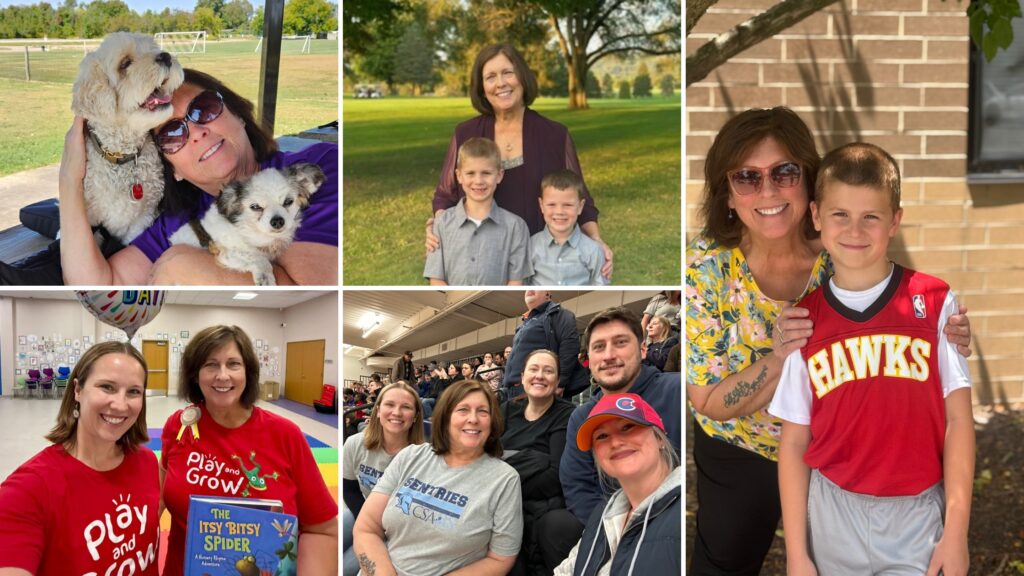
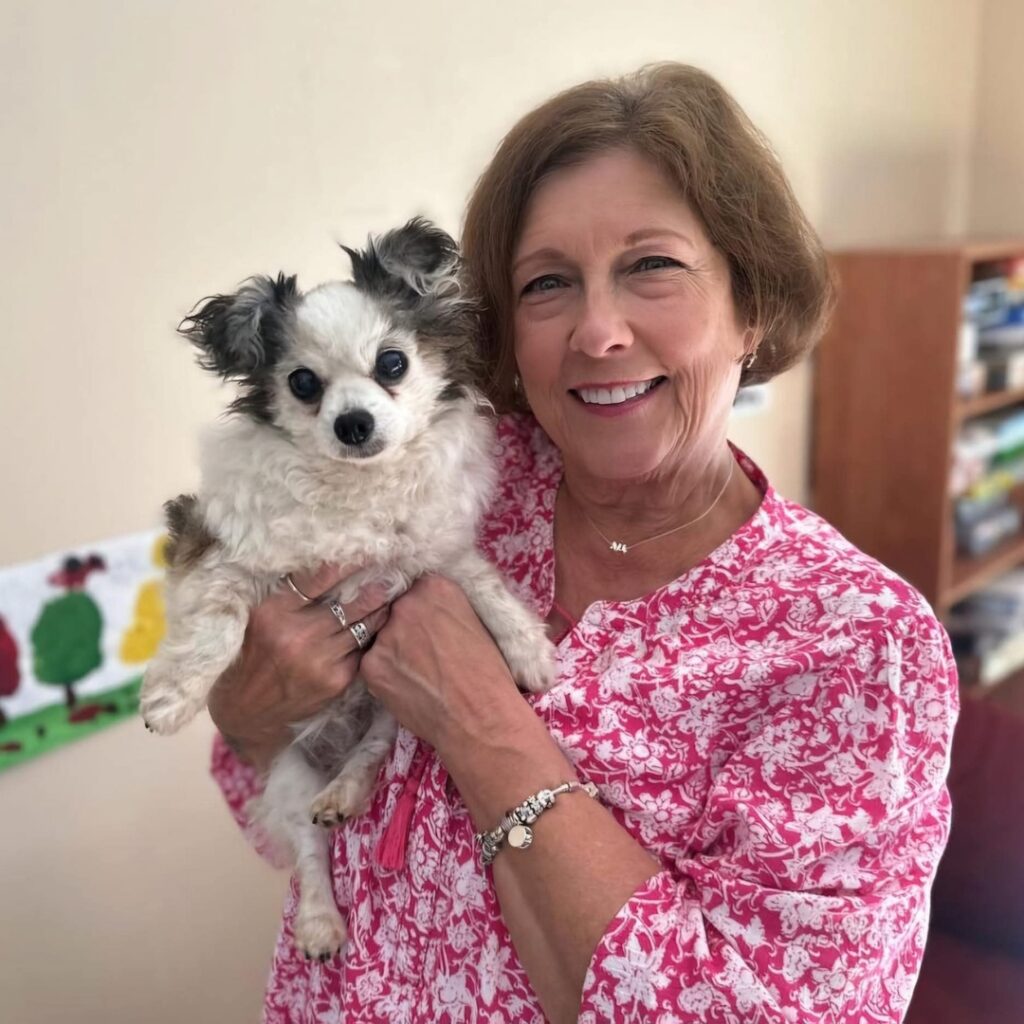
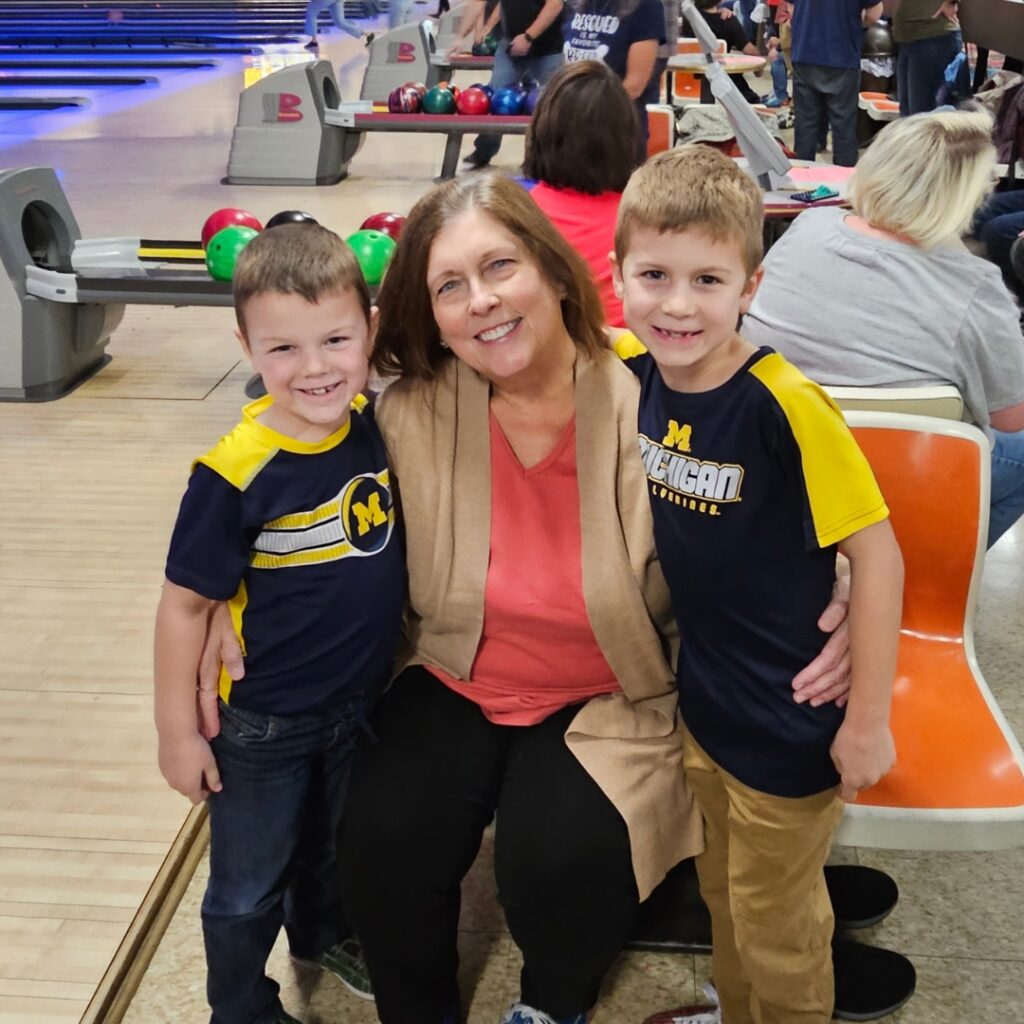
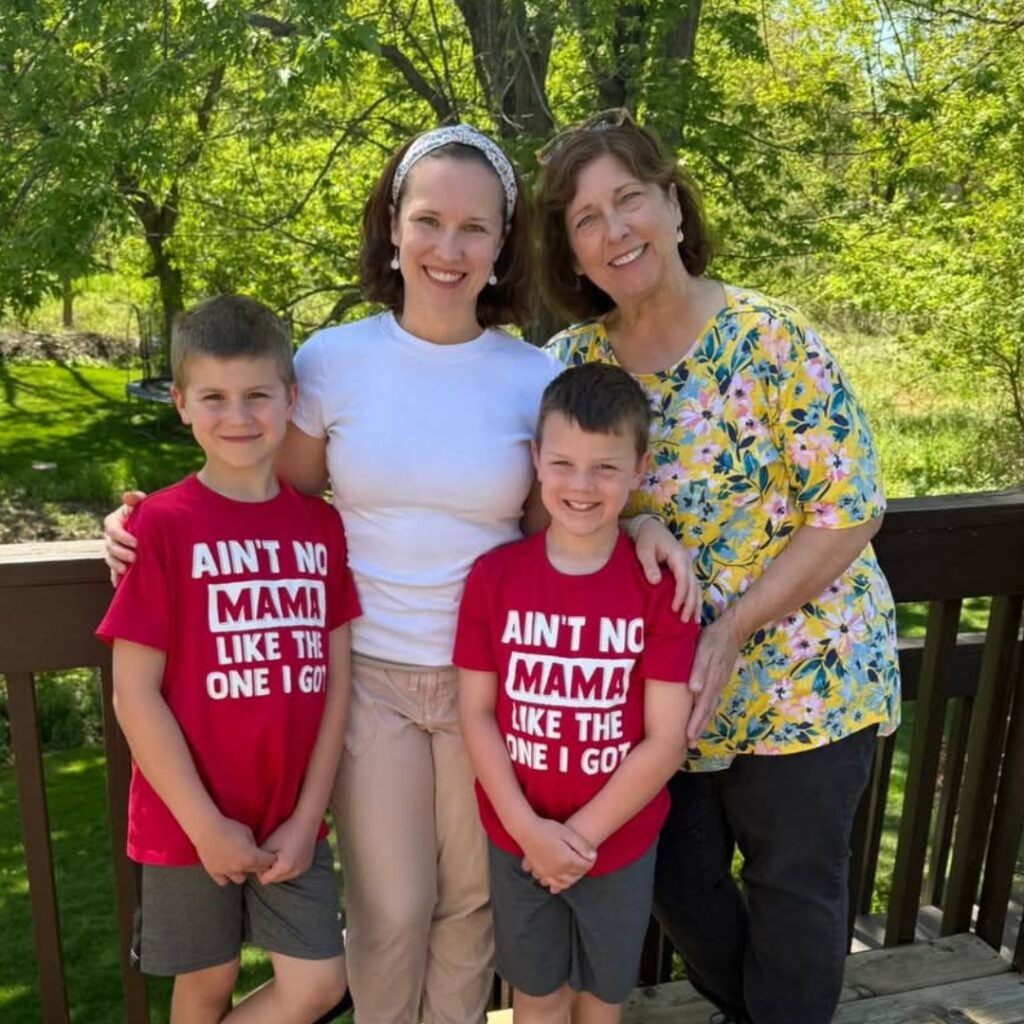
For most of her life, Nora Plank has been the kind of person who stays busy. A retired administrative assistant who spent decades of her life working in the local school district, she filled her days with service long before she ever faced pancreatic cancer. She volunteered with nonprofit organizations, assisted at her daughter’s business, and showed up faithfully for her two grandchildren.
So when pancreatic cancer entered her life in September of 2022, it turned her world upside down, disrupting her daily life and all she had planned. But when she found Project Purple’s Patient Financial Aid Program, she discovered not just financial relief, but guidance, support, and a renewed sense of hope, ensuring she didn’t have to face the journey ahead alone.
This article references Project Purple’s Patient Financial Aid Program. If you are a patient interested in receiving financial aid, please click here to learn more. If you would like to donate in support of this program, you can do so here.
An Incidental Finding That Changed Everything
Two weeks before her son’s wedding, Nora went to the emergency room for what she believed was a completely unrelated issue: an incarcerated hernia. She was told she needed emergency surgery for it, but during a CT scan, doctors noticed something else.
“They said there was something on my pancreas,” Nora recalls. “I was in shock because I had no symptoms. They asked, ‘Have you had stomach pain?’ ‘No.’ ‘Have you had pain in your abdomen and back?’ ‘No.’ They could tell I didn’t have jaundice. I had absolutely no symptoms.”
Disoriented from the pain medication for the hernia and overwhelmed in a crowded ER, she remembers thinking, They have the wrong patient.
“I thought, ‘They’ve got the wrong person, because I’m not sick.’”
Her oldest daughter was by her side in the ER. Nora has always been transparent with her children, so she shared the news of the mass right away, even as she tried to shield them from worry. As a widow, she did not have a partner to lean on, but her three adult children immediately rallied around to support her.
The wedding, which took place out of town soon after the incidental finding, became both a distraction and a temporary refuge, especially since it was still unclear whether the mass was cancerous. “I kept trying to tell myself, ‘It’s not cancer, it’s not cancer,’” she recalls. “At that point, you don’t really know until they do the biopsy. I just tried to put it out of my mind.”
Having never smoked and not being a heavy drinker, Nora found it hard to reconcile her relatively healthy lifestyle with the possibility of a cancer diagnosis. She clung to the hope that it could be something else. However, the biopsy confirmed the diagnosis: pancreatic cancer. The confirmation was shocking for Nora.
“I don’t think anybody plans on this,” she says. “It was surreal.”
Further testing, including MRIs, blood work, and genetic testing, revealed that her cancer had been caught at Stage 1B. It had not spread, and this incidental early detection would prove to be lifesaving.
“I just feel very, very fortunate,” she says.
Treatment, Determination, and the “Grand Finale”
Her treatment plan was intense: six months of chemotherapy, followed by 30 days of radiation. Then came what she calls the “grand finale”: surgery to remove half her pancreas, along with her spleen and gallbladder. She did not undergo the full Whipple procedure; her surgeons determined she did not need it.
Chemotherapy brought challenges she hadn’t anticipated: little things like cold sensitivity in her mouth and face. “I’d go to walk my dog, and I could really, really feel it,” Nora says. Still, she did not experience the constant sickness she had feared.
“I thought I would be in bed, withering away, losing weight, and sick 24/7. For me, that was not the case,” she says. “I wasn’t doing cartwheels, of course, but I wasn’t doing cartwheels prior!”
She continued living her life. She completed a sewing project for her grandson’s school fundraiser. She stayed involved in her community. She cared for Missy, the little senior dog she adopted. She rested when needed, followed medical advice, and kept moving forward.
“At the time, I thought, oh, the treatment is not that bad,” she says. “But looking back, I think, how did I get through it? During that time, you’re just making it through. You do what you can, you rest, you do what they tell you to do. But looking back, gosh, that was really challenging!”
What kept her going?
“Just the fight. Just getting through each treatment and looking ahead. I was constantly thinking, ‘What do I need to do next?’”
She approached treatment the way she’s approached much of her life: with quiet determination and a sense of responsibility. “I’m not one of those running around shouting, ‘I’m going to beat this!’ That’s not really my personality,” she says. “It was more like a mission. I just felt like it was something I needed to do.”
Her family and friends made that mission possible. “Each person said, ‘Reach out whenever you need me, 24/7,’” she shares. “To have that immediate support at my fingertips was really great and so valuable, knowing that I wasn’t alone.”
The Financial Reality and Finding Project Purple
Even with that support from loved ones, the financial impact of cancer lingered, making it difficult for Nora to fully focus on recovery and getting her life back on track. Having retired two years before her diagnosis, she had not anticipated having to manage bills from chemotherapy, radiation, and surgery, all of which added up quickly.
And cancer doesn’t end with surgery. To monitor her pancreas, Nora is required to undergo screenings every three months for two years after her procedure, including CT scans and blood work. The appointments continue, and so do the costs.
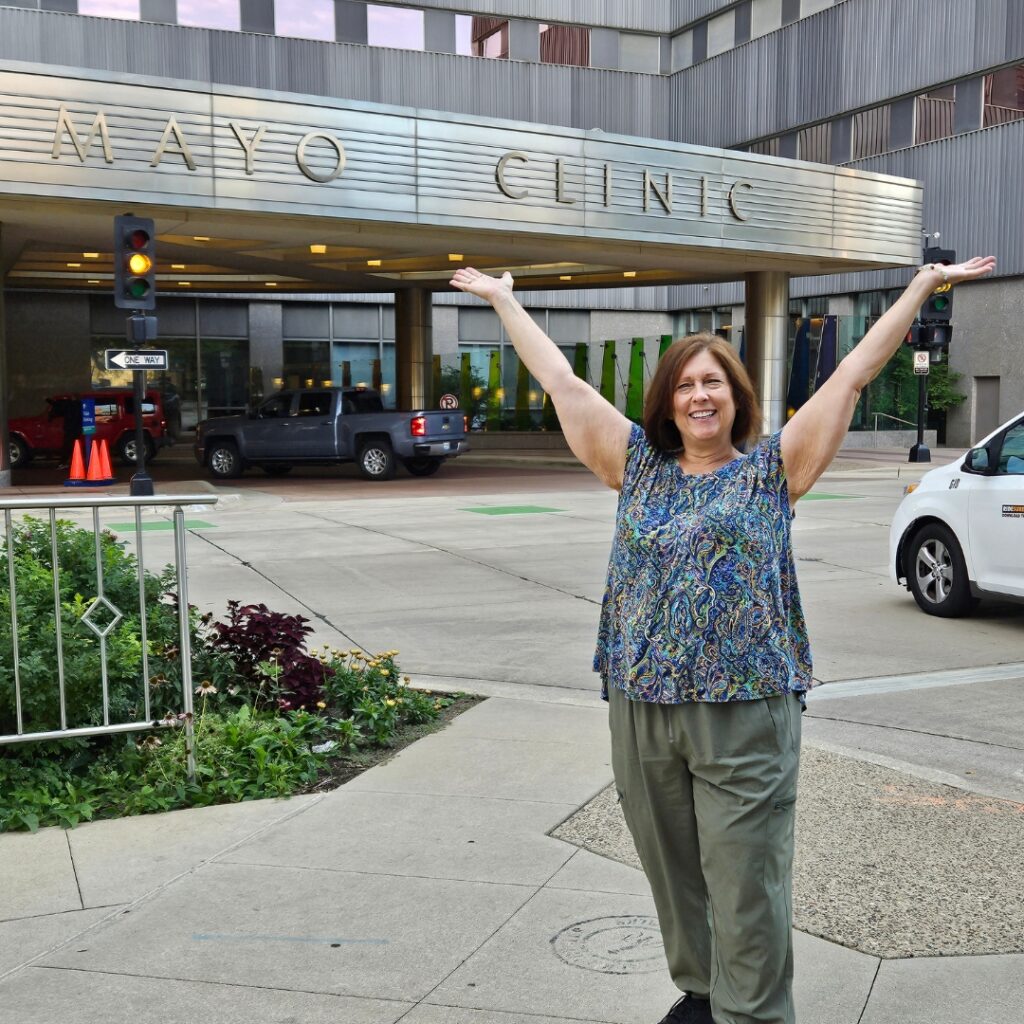
That’s when a nurse navigator at Mayo Clinic mentioned Project Purple’s Patient Financial Aid Program.
“If it hadn’t been for that person mentioning it, I don’t know how I would have found it,” Nora says. “I didn’t even know there was help available.”
She applied for assistance in March 2023 and again in December 2025.
“It was really helpful to know that I could reapply and receive assistance,” she shares. “I am so grateful. It was such a reassuring support to have that sort of relief and a little less stress worrying about the bills.”
But for Nora, the impact went beyond financial relief.
“The big thing was knowing that people were there ready to help,” she says. “I was amazed. These are people who have never met me before, and they are 100% in when it comes to helping pancreatic cancer patients.”
She speaks highly of every interaction: “The communications with Project Purple have been stellar. The professionalism, the kindness, the truly caring and supportive group of individuals… I can tell that’s what Project Purple represents.”
That community aspect has meant so much to Nora, stating, “I just know that an organization like Project Purple gets it.”
Opening Up and Finding Hope
But the sense of community Nora found through organizations like Project Purple has extended beyond formal support. It has reshaped how she interacts with her loved ones.
At first, she was reluctant to share her diagnosis publicly. “I didn’t want to be known as ‘the one with pancreatic cancer,’” she says. She avoided posting on social media or broadcasting the news widely, sharing only with close family and friends.
Over time, however, her perspective shifted. The support she received gave her confidence to speak more openly about her experience. “Now I’m much more vocal about it,” she says. “I want people to know that you can survive.”
She knows how people react when they hear the words pancreatic cancer. “The look of shock on their faces is immediate. Their faces just drop,” she says. But she wants this to change. “It’s not always a death sentence. There is hope. There is support.”
Nora encourages people to be proactive, to ask questions, to seek second or third opinions. She also shares something she learned that surprised her: sudden-onset diabetes can sometimes be an early sign. In her case, her A1C levels had spiked dramatically before diagnosis: something she had attributed to stress and grief after losing both her sister and husband that year.
She also encourages other cancer patients to take advantage of all the resources around them, not just for financial assistance, but support for mental and emotional health. Nora discovered there’s such a thing as oncology psychology, which helped greatly during her cancer journey.
“Having a therapist who specializes in working with cancer patients gave me a space to share things I couldn’t with my family,” she says. “Even though I’m close with my adult children, there are some feelings about possibly facing death and having a life-threatening illness that are hard to talk about. That support was incredibly helpful, and I’d encourage anyone going through cancer to speak out, ask questions, and seek the help that’s available.”
Above all, her advice is simple: “You are not alone. No matter what, there is help. Keep going.”
Continuing Forward
Today, Nora continues to live with intention.
She recently recovered from an incisional hernia repair, a complication of her pancreatic cancer surgery, and is eagerly returning to her fitness class at the YMCA. She completed the LIVESTRONG program for cancer survivors there and now participates in the alumni class. Just being around people who understand her experience without even talking about it in detail makes all the difference.
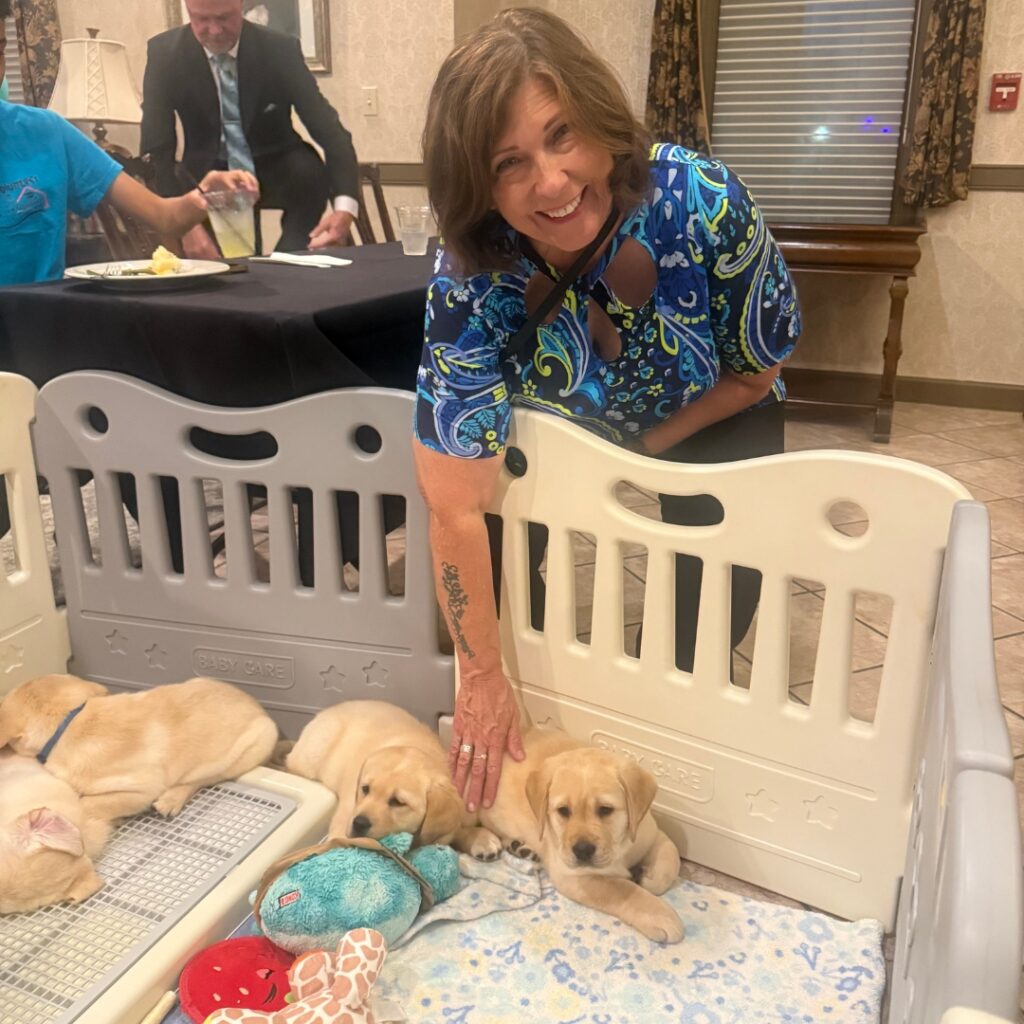
Nora is currently training to become a certified Zumbini instructor, a program that blends music, movement, and play for toddlers. She may even volunteer with a dog rescue, and is considering hospice volunteering to sit with seniors and hear their stories.
Nora attends her grandsons’ basketball and soccer games. She plays plenty of card and board games with them, including chess. She plans family birthday parties, meets up with friends at the dog park, and helps organize a fundraiser for foster families.
“Those simple parts of life mean so much to me,” she says. “Just having a seize-the-day attitude and staying busy, for me, that’s key.”
Still, Nora admits that surveillance scans still bring anxiety. “It’s like waiting for the other shoe to drop,” she admits. But she refuses to let fear override her life. She is confident that no matter what happens, there will be people there to help, always. And among those people, she says, is Project Purple.
“The support they give is truly needed,” she says. “I can’t tell you how grateful I am that I discovered Project Purple. Even at your lowest moments, and those will happen, you wake up the next day, and there’s hope, knowing there are people out there who want to help.”
Because of this reassurance, Nora continues to do what she has always done: show up. For her family. For her community. For herself.
She encourages anyone considering donating to Project Purple to do so, because it directly helps people like her continue living their lives. “It’s not just the money,” she says. “It’s the fact that someone would care enough to support someone going through this. It means the world to know there are people out there who want to help others they’ve never met. It’s absolutely uplifting.”
Project Purple is honored to walk alongside Nora and patients like her. Their strength drives our mission forward every day. If you or a loved one is facing pancreatic cancer, please visit our Patient Financial Aid webpage to learn more and apply for support.