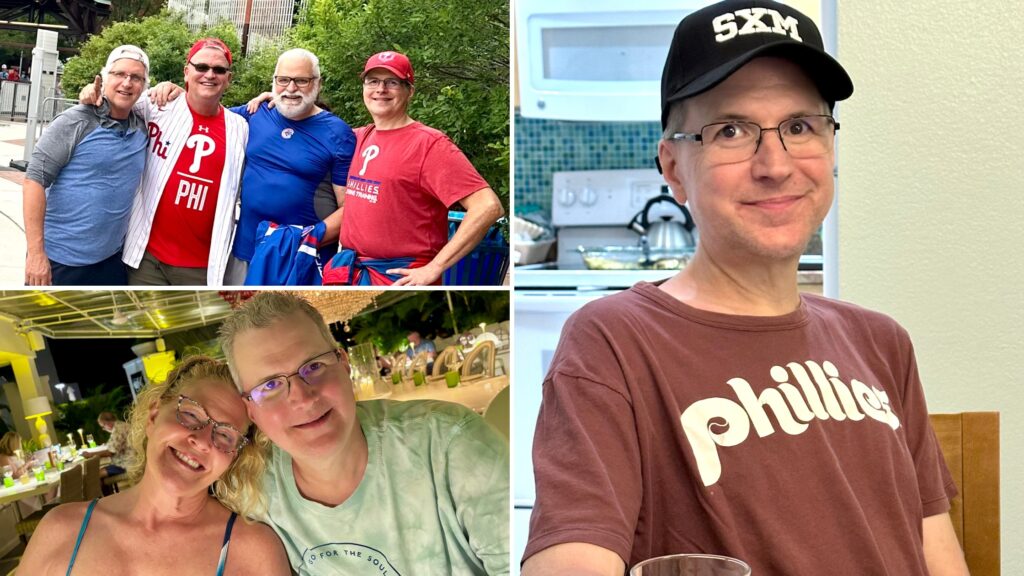
Facing pancreatic cancer can shift the center of a person’s life in an instant. For John Sangerman, that moment came suddenly. One day, routines felt familiar and steady; the next, he faced the uncertainty of a pancreatic cancer diagnosis. Suddenly, every part of his life, from work and family to daily tasks, required new adjustments, strength, and resolve.
Amid the fear and the unknown, John found support in unexpected places. A simple search for help led him to Project Purple’s Patient Financial Aid Program, a resource that provided not just financial relief, but guidance, reassurance, and the knowledge that he didn’t have to face this journey alone.
This article references Project Purple’s Patient Financial Aid Program. If you are a patient interested in receiving financial aid, please click here to learn more. If you would like to donate in support of this program, you can do so via the donate button at the top right of this web page.
The Start of a Long Journey
John’s journey began at a time when grief already hung heavy in his life. After losing his mother, he started experiencing symptoms that he initially assumed were tied to the emotional toll of her passing. Fatigue, weight loss, rashes, and worsening acid reflux slowly began to take over his days. His energy drained, and even simple tasks felt overwhelming.
“I never would have guessed that it would have been cancer,” he reflects.
For months, he pushed through each day at work, managing countless employees in a warehouse, completing a long commute, juggling operational demands, all while feeling increasingly unwell.
“It was just a labor to come in and finish my job,” he remembers. Walking became difficult. His bones ached constantly. And for the first time in his decades-long career, the cold storage environment he had grown accustomed to felt unbearable.
He lost 44 pounds, and yet the cause remained unclear. Doctors first diagnosed him with diabetes, a surprise given that he had always been active, fit, and had no family history of the disease.
“I was like, why do I have diabetes? It doesn’t run in my family,” John says. “But the cancer actually caused the diabetes.”
The full picture didn’t come into focus until months later, in February 2023, when imaging finally revealed the truth: metastatic pancreatic cancer, already in his liver. And not just any form: a rare neuroendocrine tumor, a slower-growing, but serious diagnosis.
It was a moment that changed everything, yet one he had somehow been bracing himself for. “I wasn’t in complete shock,” he admits. “I felt like something was going on.”
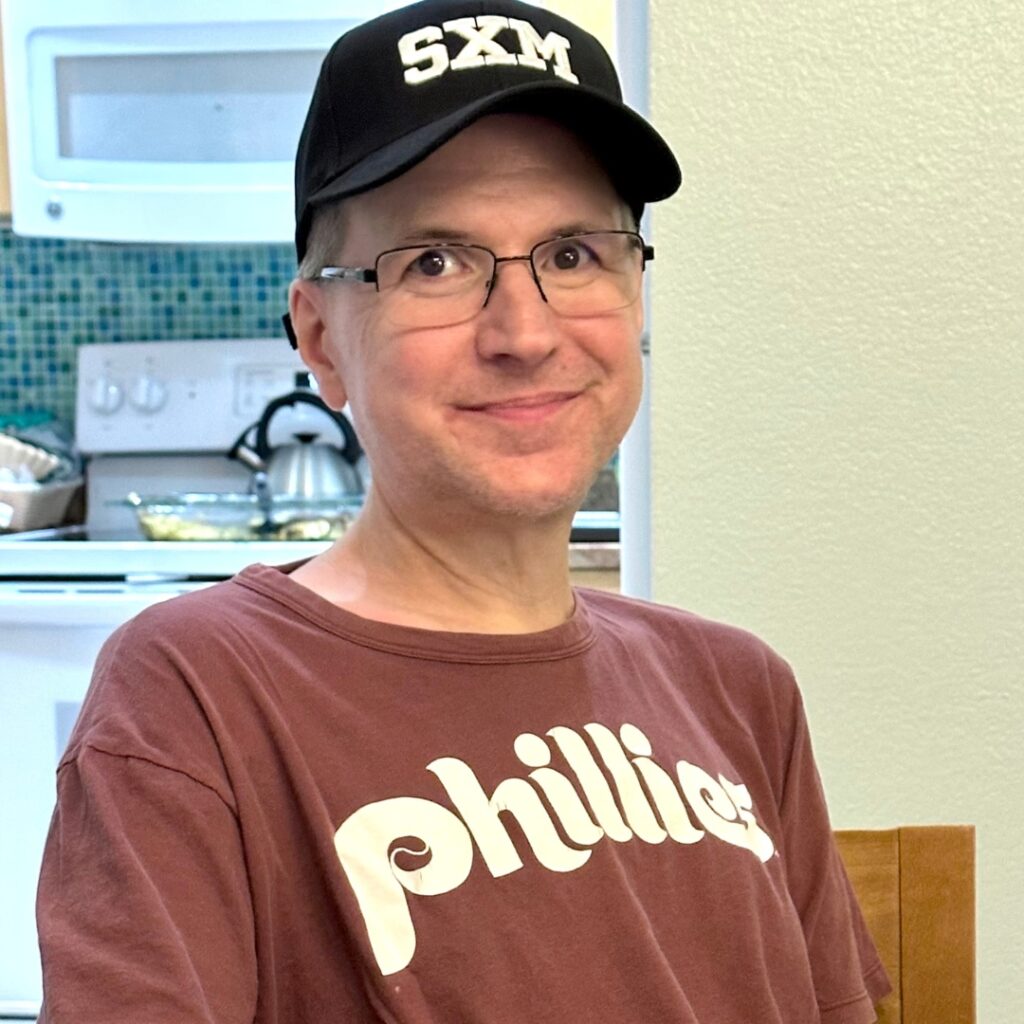
Treatment and a New Way of Living
With a diagnosis in hand, John began mapping out what treatment would look like and how it could coexist with the life he had spent decades building. Though his cancer was serious, he did not feel ready to step away from work after 35 years in warehouse management. He continued working, but not to the same extent that he was before.
“One of the stipulations for me before I underwent chemotherapy was that I wanted to continue to work,” he says. “It wasn’t all about the money for me anymore. It was more about my quality of life.”
He chose not to pursue traditional IV chemotherapy right away. Instead, he began two years of oral chemotherapy, which helped stabilize his condition and gave him the ability to remain productive at work.
Eventually, he transitioned into a routine that now includes a monthly hospital visit for an infusion and an injection: treatments that help regulate his blood sugar and support various functions his body can no longer manage on its own.
His routine changed dramatically, but he has established a regimen with his treatments. Before them, he could barely finish a workday. Now, he has regained his weight, built a steady rhythm with his infusions, and learned how to balance rest with responsibility.
Still, fatigue remains a constant companion, but John faces it with resilience. “There are periods when I’m tired,” he says, “I’m sure I’m tired more than the average person. But I’ll take that in regard to what other people have gone through and what their outcomes are.”
Today, John continues to work in warehouse management, though in a slightly adapted role. He maintains both supervisory responsibilities and manual labor, grateful for every day he can show up and feel productive.
“I’m just thankful that I can come into work and work every day.” he says. That gratitude fuels him daily.
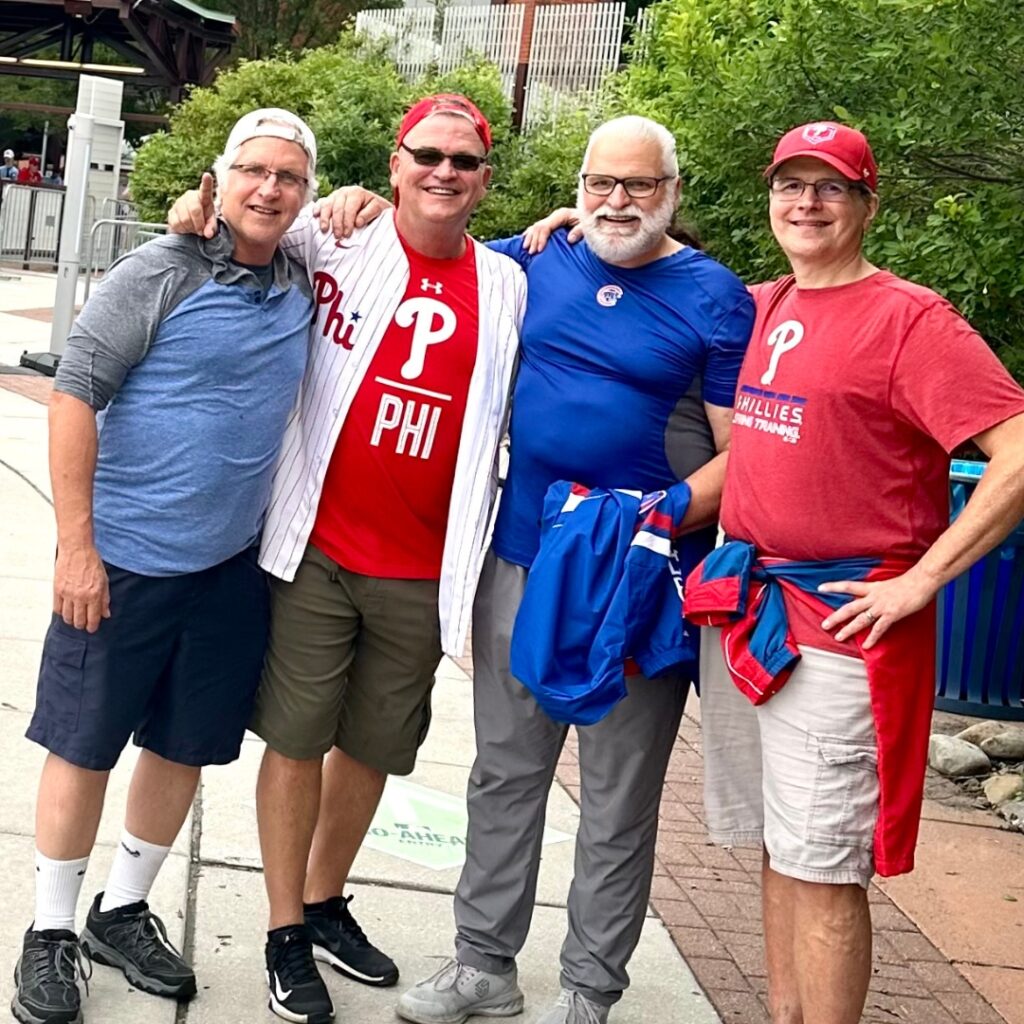
Finding Project Purple: A Lifeline of Practical and Emotional Support
Like many patients, John had to confront the overwhelming financial strain that accompanies cancer treatment, with his chemo pills and monthly hospital visits adding up quickly.
“Medical bills are very costly,” he says. “Project Purple has helped a lot.”
He found the organization the way many do, by researching support programs and stumbling upon Project Purple through a Google search. What started as an inquiry about financial assistance quickly became a relationship that offered two kinds of support: practical relief and genuine human care.
“Just this past experience with you guys, not only the monetary donation you made, but enrolling me in the Nutré program, that’s a tremendous help as well. I can’t thank Project Purple enough,” John shares.
Project Purple’s Patient Financial Aid Program helped cover the growing expenses of prescription chemotherapy and hospital treatments. But the emotional reassurance mattered just as much.
“It’s a tremendous help,” John explains. “The people I’ve spoken to… they’re genuine. The care that they give over the phone, their suggestions for other sorts of help… it’s been very much an inspiration.”
He was glad to discover he qualified for assistance. “A lot of people don’t realize there are programs out there,” he shares. He understands how the word cancer can be: “It’s gut-wrenching, but people should know there are resources out there—not just financial help, but great medical teams.”
Additionally, one of the biggest challenges John faced during treatment was maintaining proper nutrition, especially as food prices skyrocketed and fatigue limited his ability to shop or cook.
The Nutré program through Project Purple changed that. “These meals have helped me monetarily, obviously,” he says. “But also nutritionally. The food is based on a healthy lifestyle, and I had some challenges where I’d probably be eating stuff I shouldn’t. So I’m glad that option was given to me.”
The convenience alone made a huge impact: “It’s basically going on the computer, selecting your meals for the week, and they deliver them for you. I don’t have to go to the store. I’m spoiled in that respect. It’s a tremendous help, a tremendous time saver.”
With proper nutrition and financial relief, John was able to focus on healing: physically, emotionally, and spiritually.
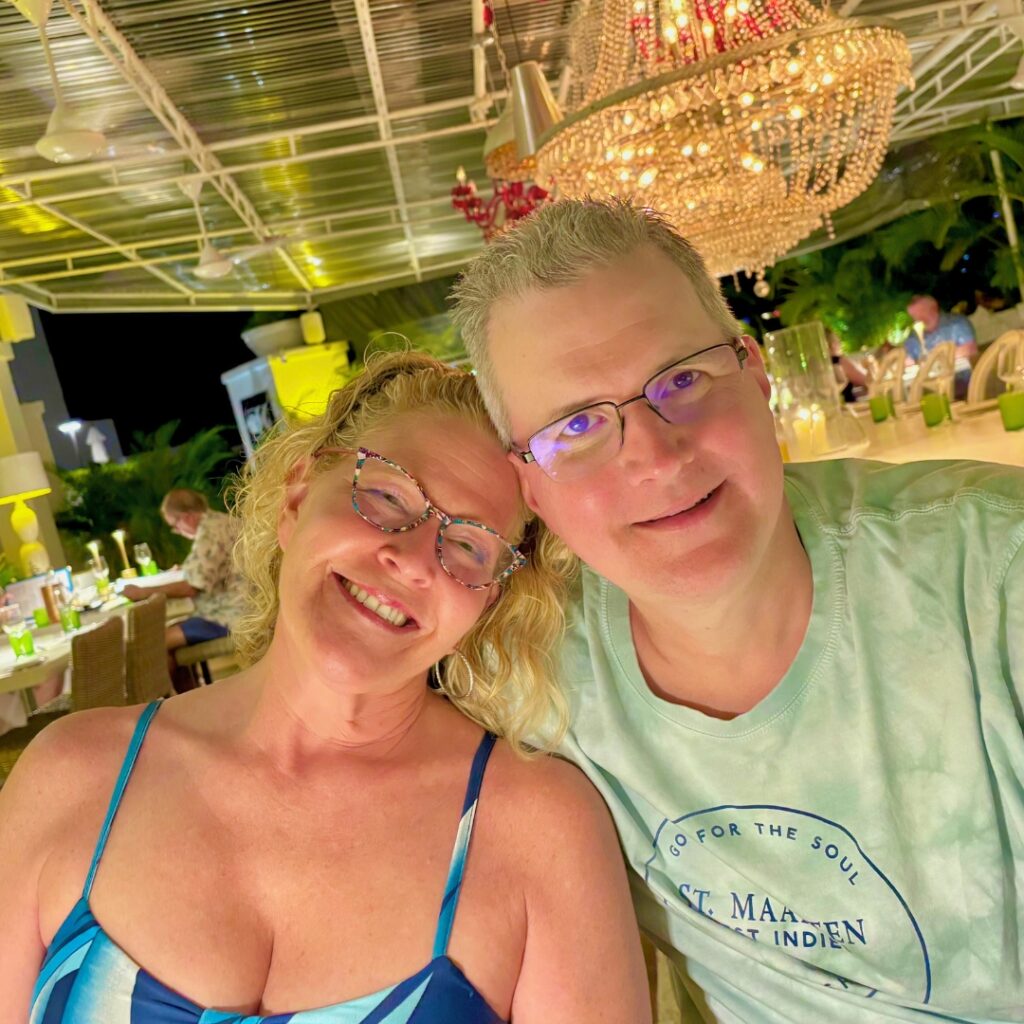
A Support System That Keeps Him Moving Forward
Throughout his journey, John has discovered a remarkable depth of support from the people around him. His wife and other relatives form the backbone of John’s strength, and thanks to the support from Project Purple’s Patient Financial Aid Program, he has been able to focus on healing without the added burdens of finances and nutrition.
With the removal of these constraints, John can now fully lean on his loved ones and concentrate on his health and recovery. He’s found this support in many ways, like people volunteering to drive him to appointments: “I feel it. I can’t say enough about it. These people are here for me and I’m here for them.”
Though not very spiritual before, John has found that reconnecting with faith helps him stay positive throughout his journey. “I’ve found a lot more outlets in that regard. I truly believe I am here for a reason,” he says. “There are things in my life that I have not completed yet, and I believe I’m being guided to pursue them and fulfill my life and the way I think it should be fulfilled.”
That shift in perspective, thanks to Project Purple, changed how he views his diagnosis and his future. “There are great things that happen in your life, but family is one of the most rewarding,” he says. Coming from a big, loving family, he carries the memory of how he felt at diagnosis and compares it to how he feels now. “For what I am now, that really shines a lot and makes me feel good.”
This optimism keeps him going. Seeing his relatives’ young children grow, play, and discover the world fuels his determination: “I’m still glad that I can be here for the people in my life to do things for people, be there for people, and just overall be a good influence for others. I just want that to continue, and I’m grateful I have the opportunity now to do that.”
His journey, marked by resilience, community, and the willingness to ask for help, is a testament to what is possible when medical care, emotional support, and financial resources come together. “Just know that other people are willing to help you. They are there, you just have to reach out,” John shares. “Project Purple has been very much an inspiration for me, and I can’t thank the organization enough.”
Project Purple is honored to walk alongside John and patients like him. Their strength drives our mission forward every day. If you or a loved one is facing pancreatic cancer, please visit our Patient Financial Aid webpage to learn more and apply for support.