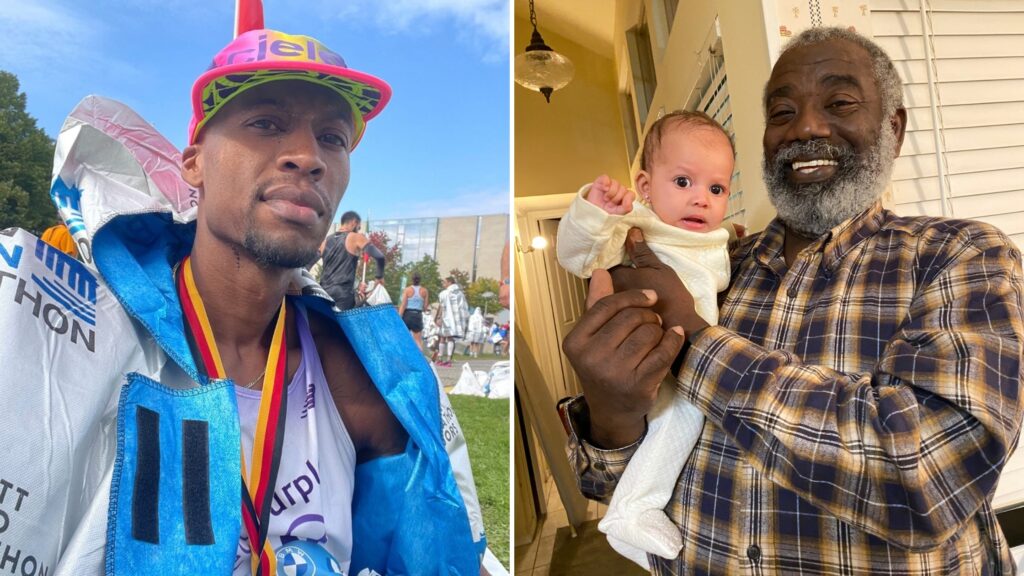
When his uncle passed from pancreatic cancer in 2021, Bryan Francis felt a loss that shook the foundation of his family. David Spencer Sr., affectionately known as Uncle Tony, had always been a central figure in his life. After his death, Bryan began searching for a way to honor his memory and confront the disease that had taken him.
Running became that way. In the span of three years, Bryan completed two marathons with Project Purple, overcoming physical setbacks along the way. Each race became more than just a test of endurance: it was a reflection of the man Bryan has become, in part because of Uncle Tony. It served as a way to carry forward his uncle’s lessons, channel grief into purpose, and contribute to the fight against pancreatic cancer.
A Legacy That Sparked a Journey
Bryan Francis didn’t consider himself a runner before his Uncle Tony passed. He had always been an athlete, playing soccer in college and staying active with CrossFit, but a back injury forced him to pivot away from high-impact sports.
It wasn’t until the COVID-19 pandemic, with its long stretches of quiet and reflection, that Bryan began exploring moderate running as a way to stay active and clear his mind. With a busy work life and two small children at home, running became a way to carve out moments of peace in his day-to-day life.
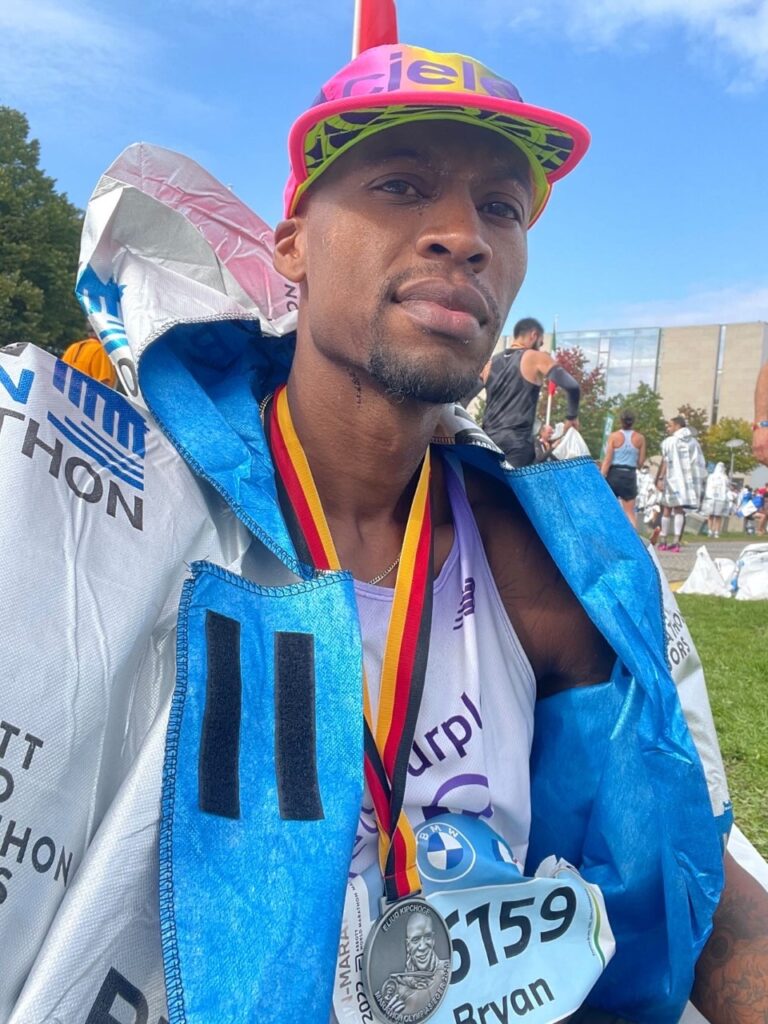
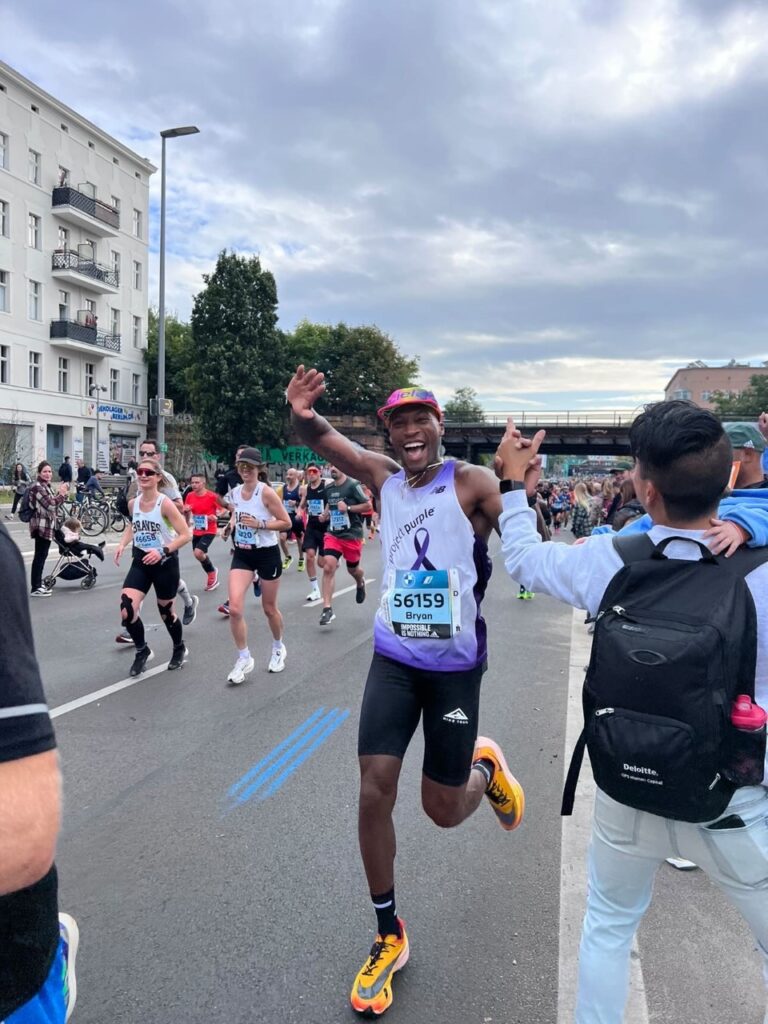
“It was kind of a roundabout way of getting into it,” he says. But it was the 2022 Berlin Marathon that truly introduced him to the world of intensive, long-distance running. Just a year after his Uncle Tony passed from pancreatic cancer, that race transformed running from a personal outlet into a meaningful way to honor his life and legacy.
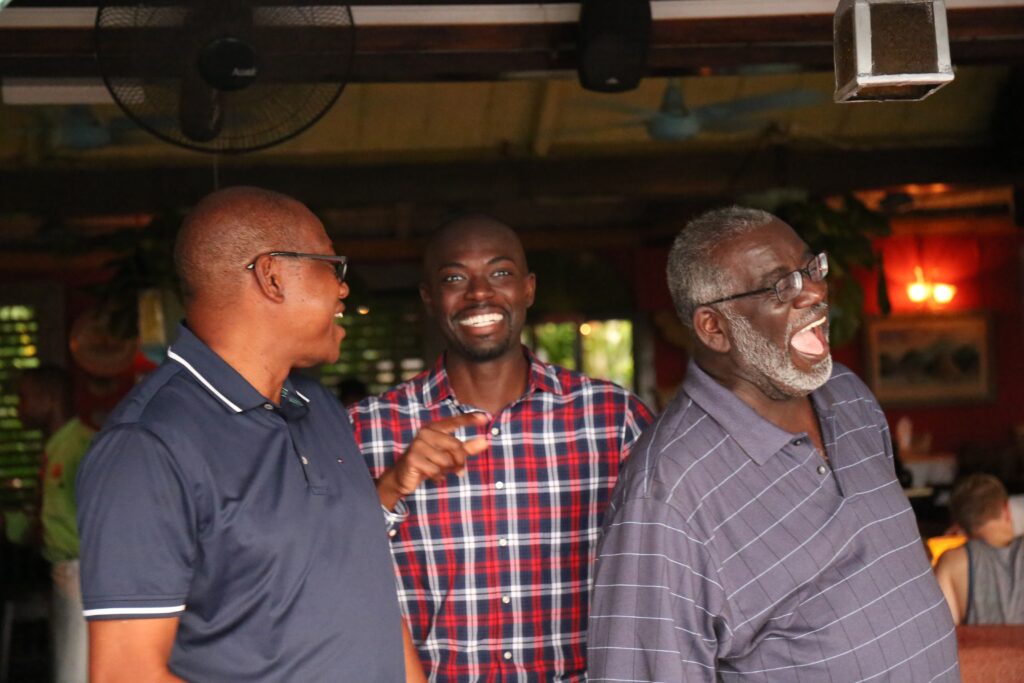
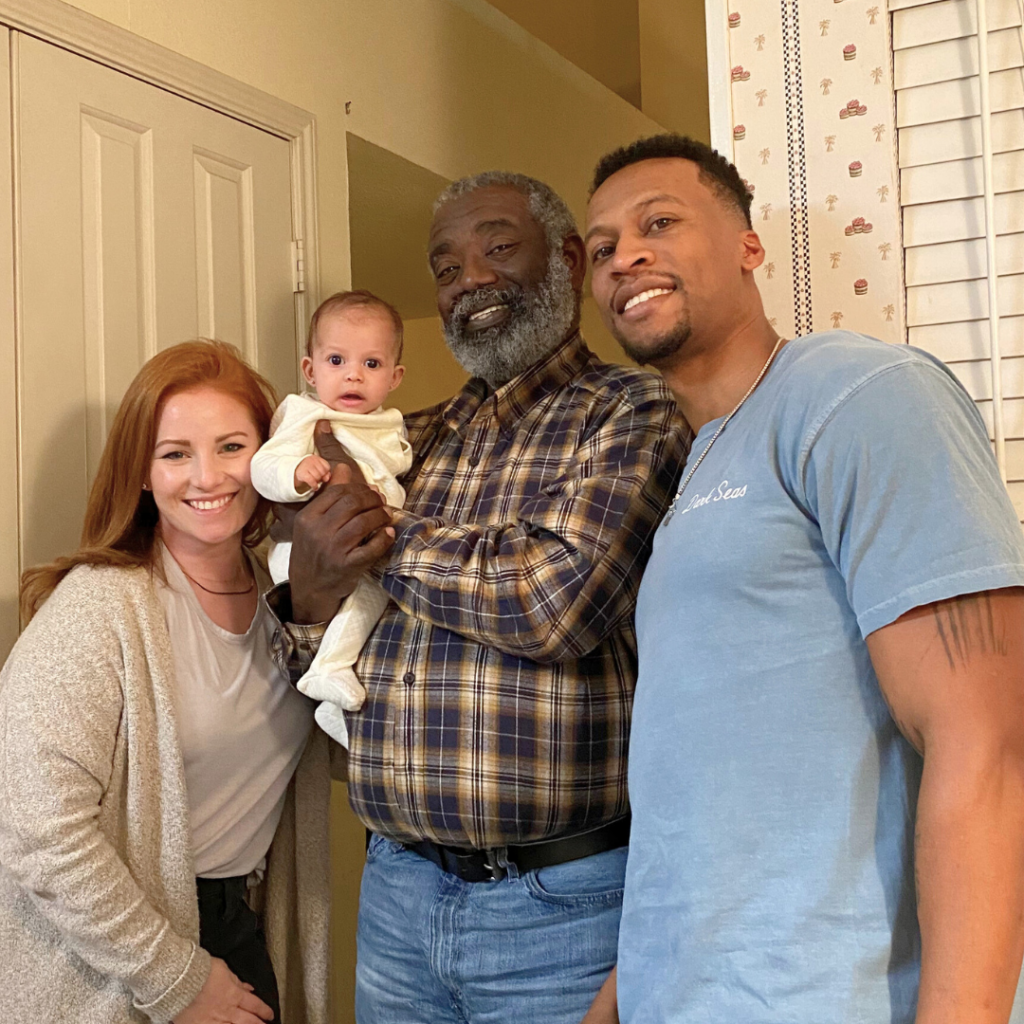
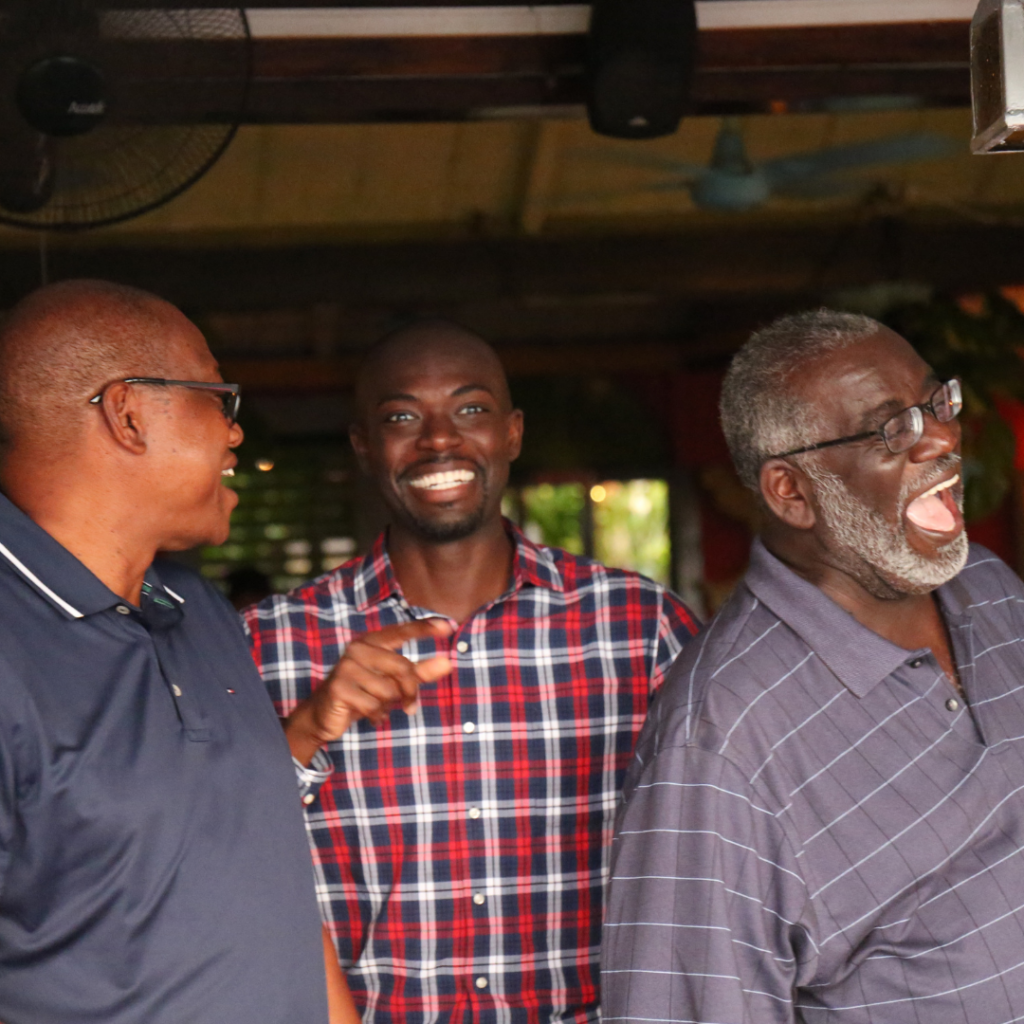
Tony wasn’t just an uncle—he was like a second father to Bryan. “Luckily, I grew up with both of my parents in the same household, but I always had another dad and mom with Uncle Tony and Aunt Winsome,” Bryan says.
Though not a blood relative, Tony became family through a close bond with Bryan’s dad; the two met after moving from Jamaica, and their families grew close over the years. And from the moment he entered Bryan’s life, Tony had been a constant presence, attending every milestone, graduation, and family event. “I’ve only known life with Uncle Tony from the moment I was born,” Bryan says fondly.
Tony had a way of combining sternness with warmth, expecting the best from those around him while making sure they knew they were loved and cared for. He asked questions, really listened, and always wanted to know how you were feeling, not just the surface-level answers.
Especially when Bryan met his wife, Sydney, and later when they had children, Tony remained incredibly present, checking in on how their family was adjusting and offering guidance with the same care and attention he had shown Bryan throughout his life. “He just always had my best interest at heart,” Bryan remembers.
That same dedication to showing up for his family carried through Tony’s pancreatic cancer journey. Bryan first realized something was seriously wrong when Tony began losing weight dramatically. Yet despite his illness, Tony remained steadfast in being present for his family: attending his daughter’s wedding back home in Jamaica, spending time with his grandchildren, and cherishing every moment he could with those he loved.
With Bryan having moved to Washington DC from his hometown in Houston, seeing Uncle Tony during his journey with pancreatic cancer was especially difficult. The distance made each visit feel urgent and heavy with emotion, knowing that every moment together might be one of the last. “Every time we saw Uncle Tony, he was bright and bubbly, cracking jokes and asking how we were doing, never putting the spotlight on himself,” Bryan says. “Getting that call and knowing this might be the last time I’d see him, it was heart-wrenching.”
When Tony passed in 2021, Bryan felt an overwhelming loss. He struggled with the thought of attending the funeral; he knew the experience would be devastating. “I couldn’t bring myself to go down there. I couldn’t accept the reality yet,” he says. But rather than letting grief immobilize him, Bryan searched for a way to channel his feelings into something else, something positive: running.
First Miles, Family Ties
Running became an outlet for Bryan’s grief: a way for him to come to terms with the loss while also honoring Tony’s life. In 2022, his sister-in-laws had committed to running the Berlin Marathon, and Bryan’s family was eager to go support them. But Bryan recalls jokingly setting a condition: the only way they were going to cheer them on was if he ran too!
He thought to himself, “Okay, let me find a cool way to join,” and that’s when he discovered Project Purple on the Berlin Marathon’s website: a moment he describes as a “sign” from his uncle. Joining the organization gave him a tangible way to grieve Tony on his own terms, while also supporting others going through similar journeys.
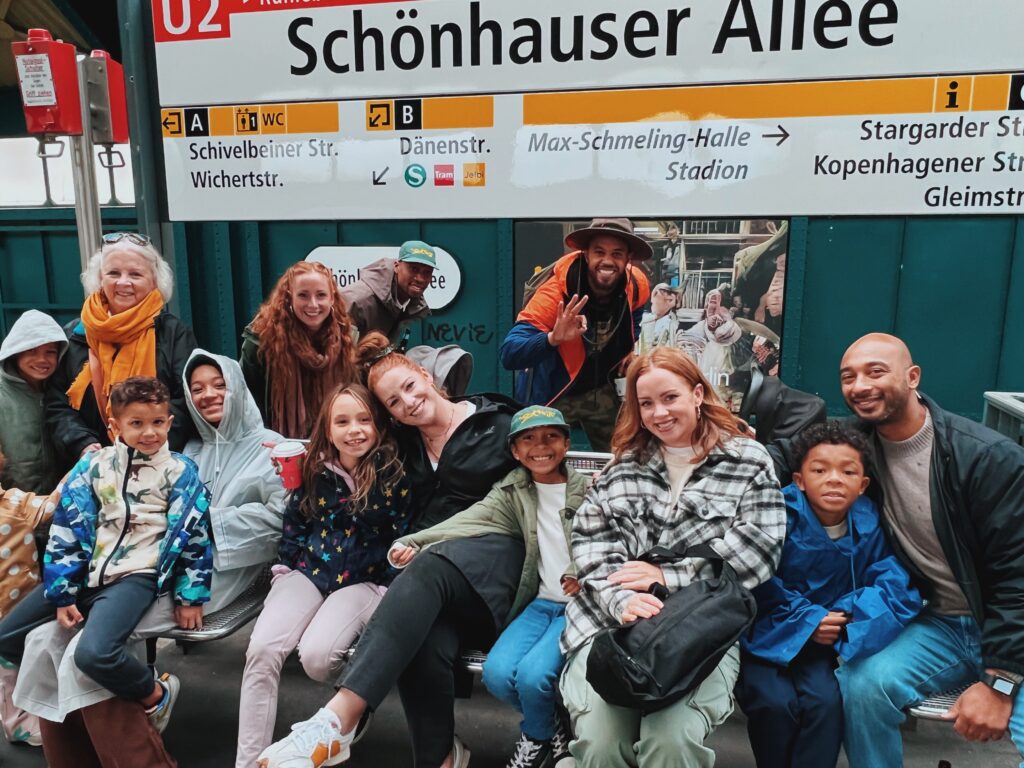
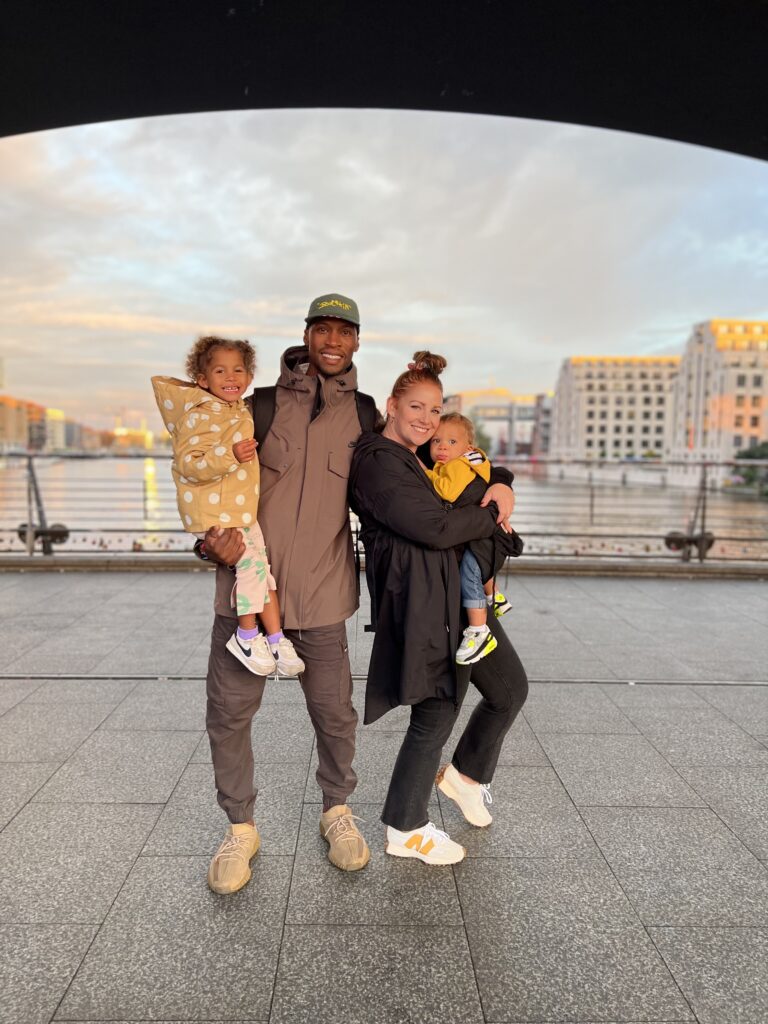
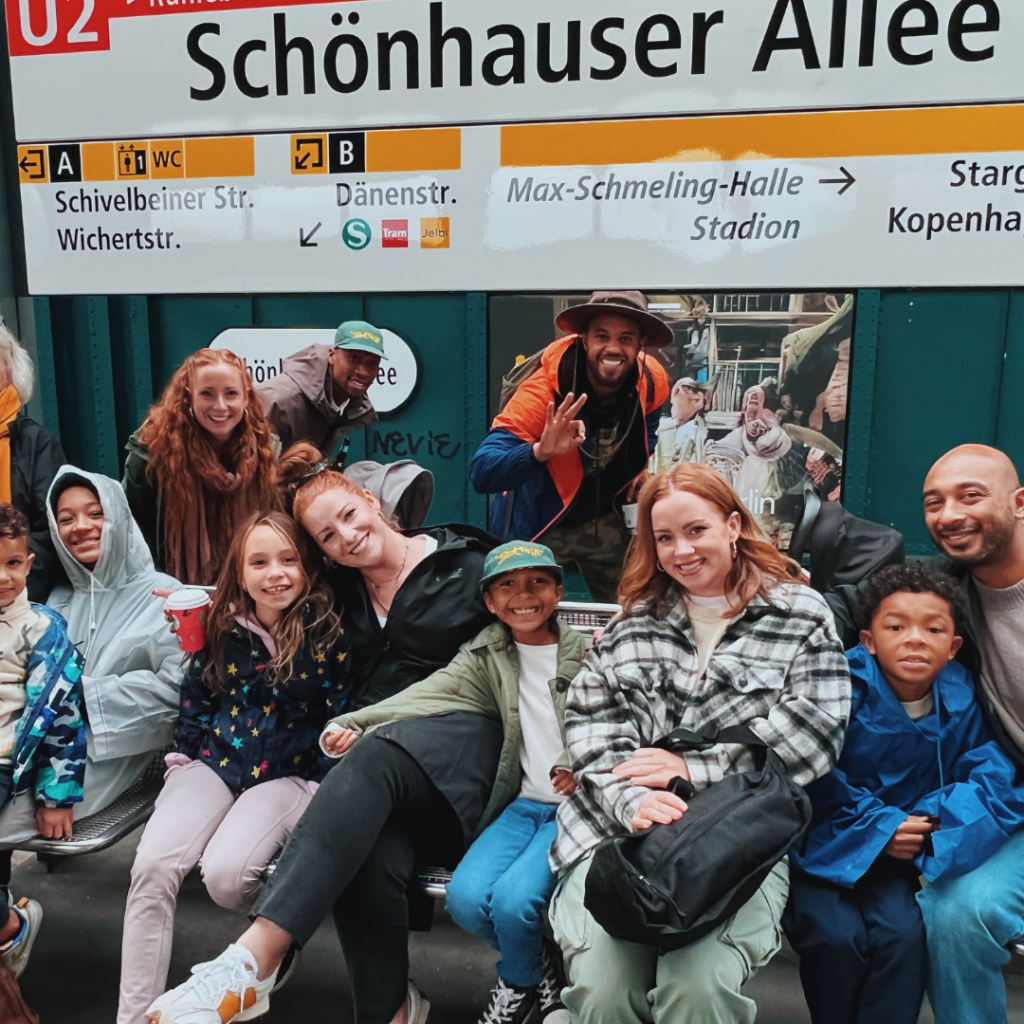
The marathon was a full family affair. His wife, Sydney, and their two young children joined the trip, along with a larger group of family members. The group included ten kids under the age of ten, all coming to cheer on not just Bryan, but other relatives running the race as well. It was not only Bryan’s first time going through a sixteen-week training buildup for a race of this distance, but also the family’s first trip to Europe. Bryan’s family is Jamaican, and while they had taken several trips back home, this “across the pond” adventure was entirely new.
“It made it really special, doing it with the whole family and tackling this huge challenge that I know my Uncle Tony would have thought was crazy,” Bryan recalls. “He would have been like, ‘You’re out of your mind!’ but I know he would have come to Berlin to watch me run it.”
That sense of family ran deep for Bryan, and it’s something he constantly carries with him from Uncle Tony. Despite owning a thriving home health business in Houston that demanded much of his time, Tony was always present. “We’d take family trips, have dinners, go on weekend getaways… somehow it never impacted his time for family,” Bryan remembers. “That’s something I’ve made a concerted effort to do with my kids.”
Bringing his whole family to see him run in Uncle Tony’s honor felt like a continuation of the kind of life Tony lived. Bryan also treasured that his oldest, Cora, got to meet him. “She says she remembers him, but I think she just gets the feel of what he meant to the family. I’m glad she can somewhat carry that memory of him,” he reflects.
On a more personal note, the Berlin Marathon became Bryan’s own way of grieving Tony: a personal celebration of his uncle’s life. “I think any marathon pretty much brings you to tears, but finishing this one was like, alright, this was for Uncle T!” he says. The race wasn’t without its challenges, though: Bryan struggled with hypoglycemia and had to be rushed to the medical tent following the race, falling short of the finish time he had hoped for. But he kept reminding himself, “It’s alright, you did this for Uncle Tony. It wasn’t about me. It was about him and doing whatever I can for other families, so they don’t have the same experience mine did.”
That sense of purpose was what drew him to Project Purple, and from that moment on, every race Bryan runs carries Tony’s memory with it. He truly values the opportunity to run for the organization because, as he says, “I like running, and this is a way for me to use that positively. It became my chance to give back. I’m not the biggest public speaker or community organizer, but I can bring people together, raise money, share a journey, and in the process, honor Uncle Tony and keep his memory alive.”
The Ultimate Comeback
Three years passed between Berlin and Bryan’s next major marathon, but not all of that time was easy. A ruptured Achilles took him out of running for nearly a year and a half, forcing him to pivot once again and focus on smaller races while trusting his body to heal.
“The key was being very patient and celebrating small successes,” Bryan recalls. “Once I got the boot off, I couldn’t move my foot at all. Then you get an inch in either direction, and it feels like progress, but it’s so incremental that it’s easy to get frustrated and want to speed up.” He wanted to get back on his feet quickly, but he knew that rushing the process could set him back even further. Instead, he committed to the slow, steady work of recovery, putting in the effort day by day.
He credits his wife, Sydney, for being his rock during this period. “When I ruptured it, our son was six months old, and our daughter was a year and a half. I had to call her and say, ‘You’re on your own for about eight months before I can even lift a kid,’” Bryan says. “She was incredible, strong and supportive, and that helped me stay focused on the process and trust that I would get back to running.”
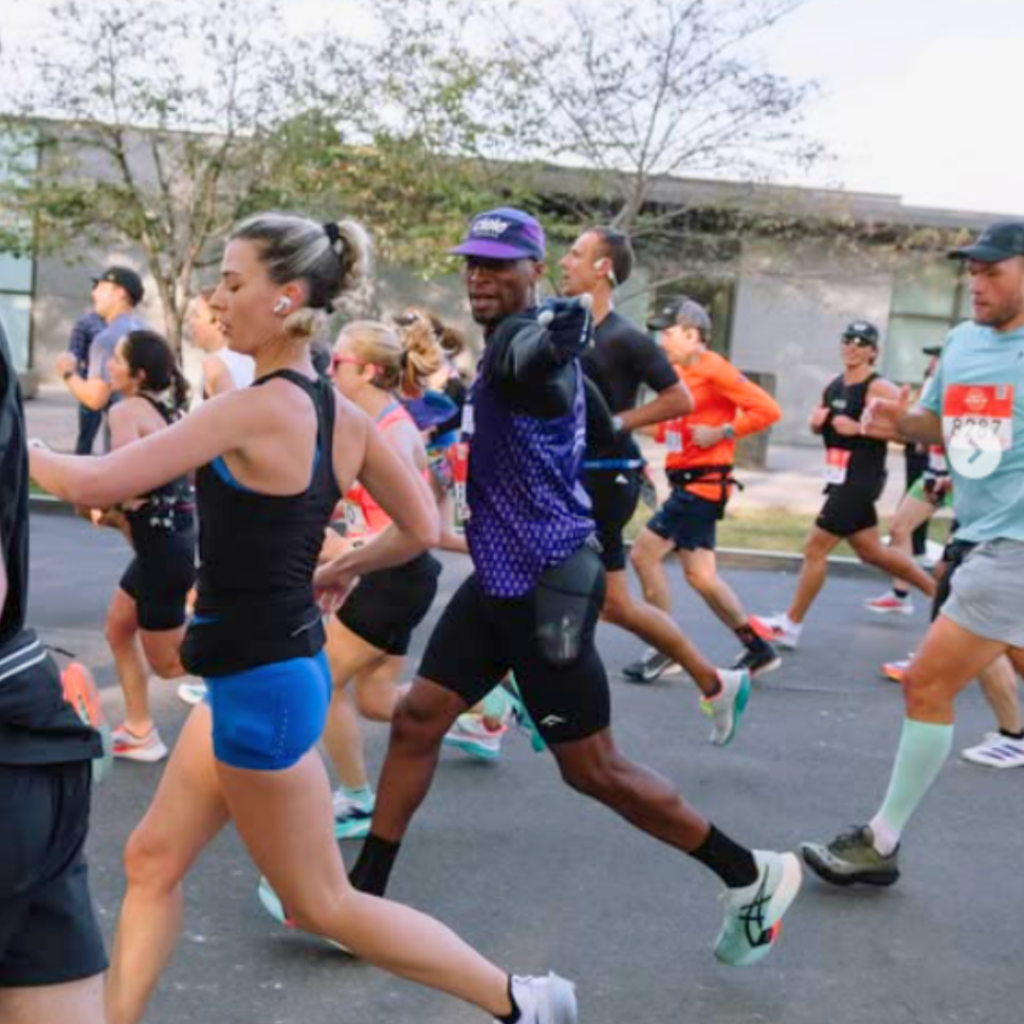
By 2025, after slowly doing 10ks and half marathons to get back into the sport after his injury, Bryan was ready to tackle another major race: the Marine Corps Marathon in Washington DC. “I just wanted to get back into the mix and back to the Project Purple team,” Bryan says. “It was also the 50th anniversary of the race, so I figured it would be the easiest way to amplify my voice and get my fundraising done.”
Having the race in his own city made the comeback feel more accessible. The DC running community is strong and supportive, and as Bryan describes it, “once you tap in, nobody forgets about you.” That support system helped him get back into running and realize it was okay not to be the fastest, especially while recovering. Over 300 people are in his running group, about 30 of whom trained for the race, forming a team-within-a-team that ran alongside him.
All these factors combined to make the Marine Corps Marathon the perfect comeback race for Bryan: a chance to focus on his own recovery and personal transformation, while staying deeply connected to Uncle Tony’s legacy and the values he instilled. “He always executed. Whatever he started, he always finished. He was super detailed, super regimented,” Bryan says.
When he approached marathon training for Marine Corps, he brought that same focus and discipline, combining patience with the lessons he learned from Tony. “I knew what I needed to do to be prepared this time: stick to the training plan, follow the diet plan, commit to the race nutrition plan, and if something went wrong during the race, just keep moving forward,” he says.
And that work paid off. Even when he hit the infamous wall during the race, he didn’t panic. He stopped, stretched, shook it off, and reminded himself, “We’re just going to do what we have to do to get to the end.” The payoff was immense: Bryan set a new personal record of 3:19, shaving nearly 40 minutes off his previous time from Berlin.
“It felt huge, so good,” he recalls. “It wasn’t just about finishing with that time. I always want to finish a race smiling. I even rode a bike home afterward because I felt that good.” The experience gave him a sense of closure from Berlin, letting go of any lingering disappointment while celebrating the journey. “Running that race is always freeing. You get out there and think about everything and nothing at the same time,” he says.
The Many Lives a Marathon Can Touch
Reflecting on the meaning behind all of his efforts, Bryan says, “I don’t think I’ll ever get over Uncle Tony not being here, but it allows me to feel super connected to him. At some point in any race I run, something triggers in my head and goes straight to Uncle Tony, and I spend the rest of the race thinking about him.”
He recalls one early-morning training run before the Marine Corps Marathon: “I left the house at 4:30 a.m., started running, and realized I was crying. But I was just channeling Uncle Tony. I locked in, and suddenly the run just felt right.”
On a broader level, Bryan sees his involvement as part of a much bigger fight, one that feels increasingly personal. With two other family members now battling pancreatic cancer, his motivation extends beyond honoring Tony’s memory.
“I want to do anything it takes to get to a point where we can improve quality of life, extend life, or eventually eradicate this disease altogether,” he says. “If what I’m doing can help move things even a little bit in that direction, and spare other families from going through what mine did, then it’s worth it.”
“I know I wouldn’t be who I am without Uncle Tony,” Bryan adds. “It’s wild to think about someone who isn’t even a blood relative, someone my family met by chance over 40 years ago, becoming one of the most impactful people in my life. That’s what this is really all about.”
Inspired by Bryan’s story? Visit Project Purple’s events page to learn how you can join the movement, whether by running or participating in an event of your own.