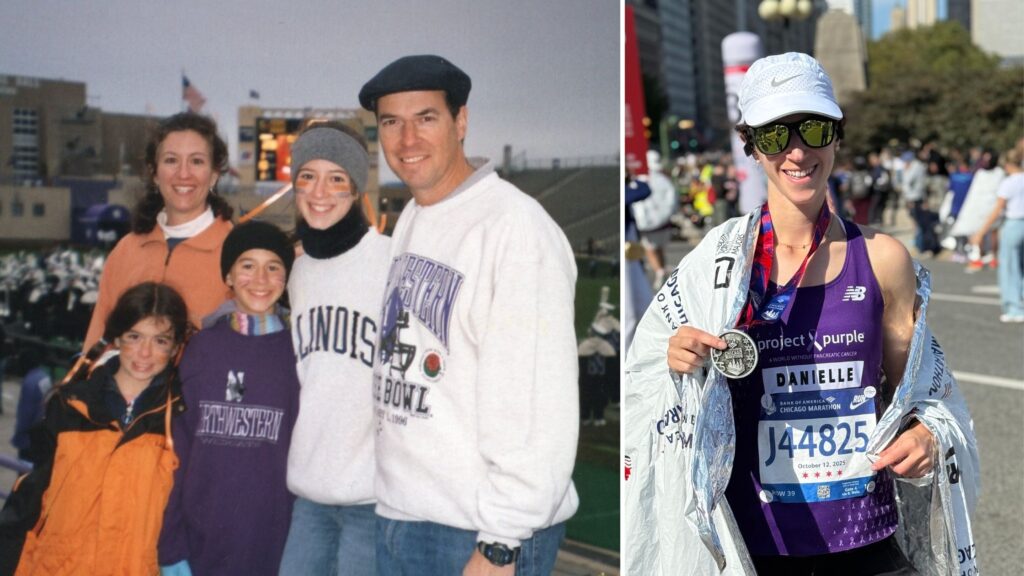
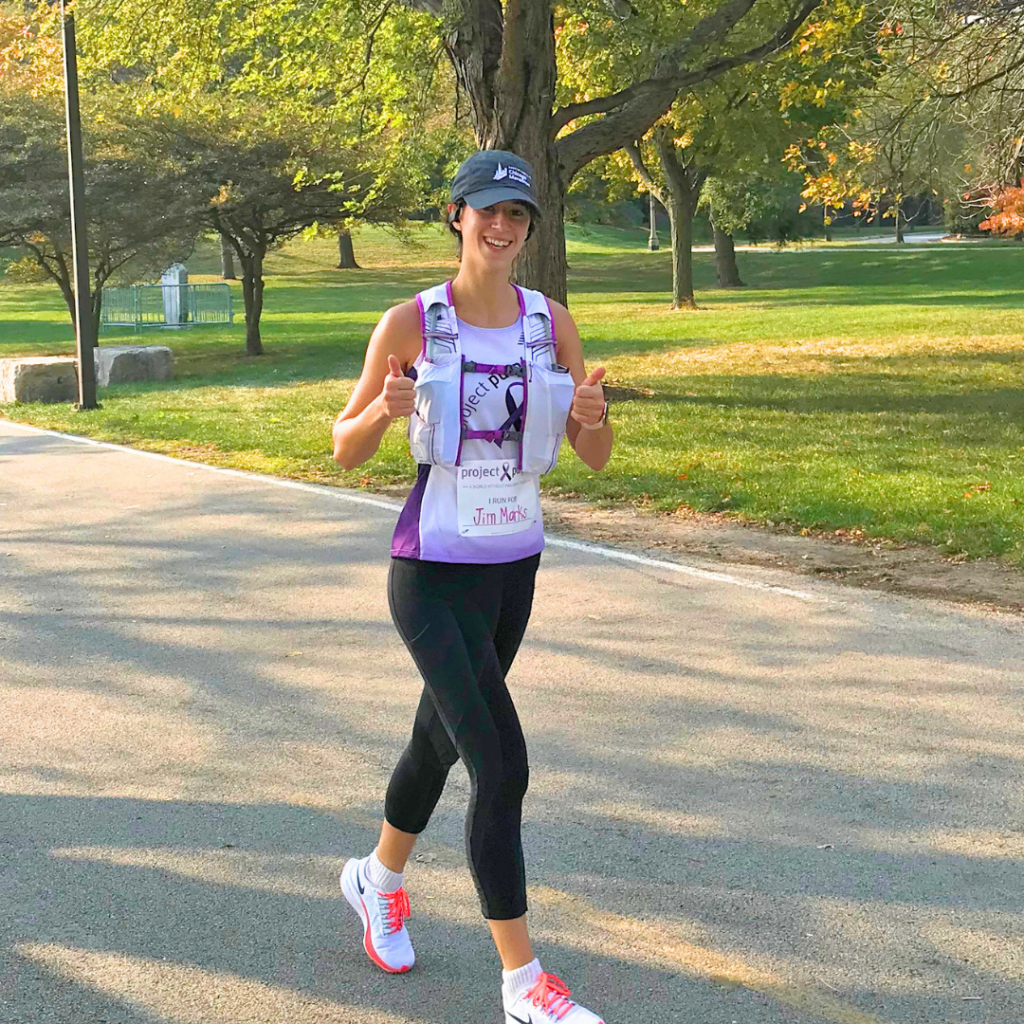
On a crisp fall morning in Chicago, Danielle Marks Borchetta once again found herself lining up among thousands of runners ready to take on 26.2 miles through the city she calls home. But for Danielle, the 2025 Chicago Marathon was never just another race.
This was her comeback race in more ways than one: a marathon run not only after four years away but after becoming a mother and recovering from knee surgery. Just as importantly, it continued a long-standing commitment to Project Purple and to pancreatic cancer awareness and research following her father’s passing from the disease in 2010.
The Marks family has started a memorial fund in honor of Jim. If you would like to support their fundraising efforts, please donate at this link and share it: https://donate.projectpurple.org/campaign/711819/donate
How Grief Became Movement
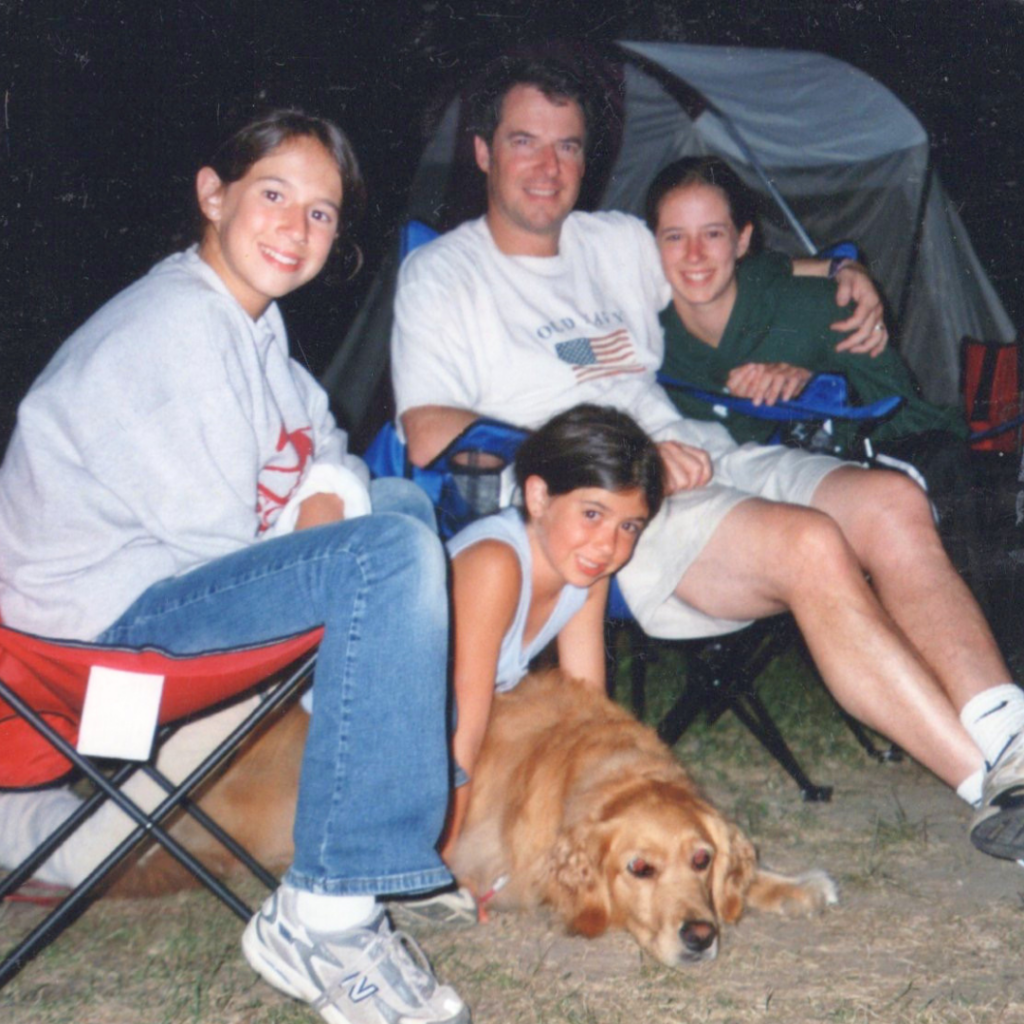
Danielle grew up in the northern suburbs of Chicago, Illinois, and was active from an early age, playing soccer, staying involved in sports, and spending much of her childhood outdoors. Running, at that point, wasn’t yet a purpose. It was simply part of being athletic.
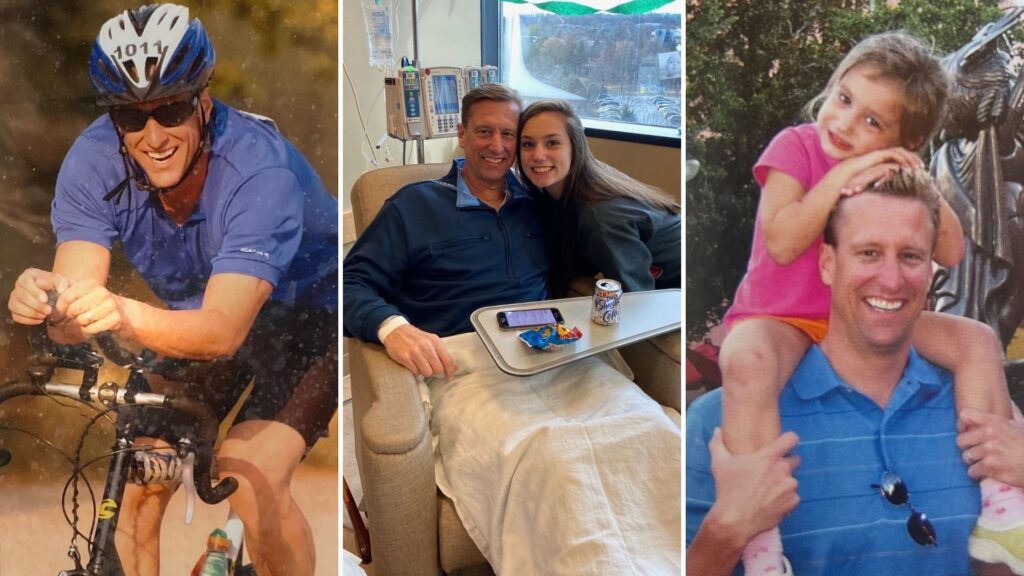
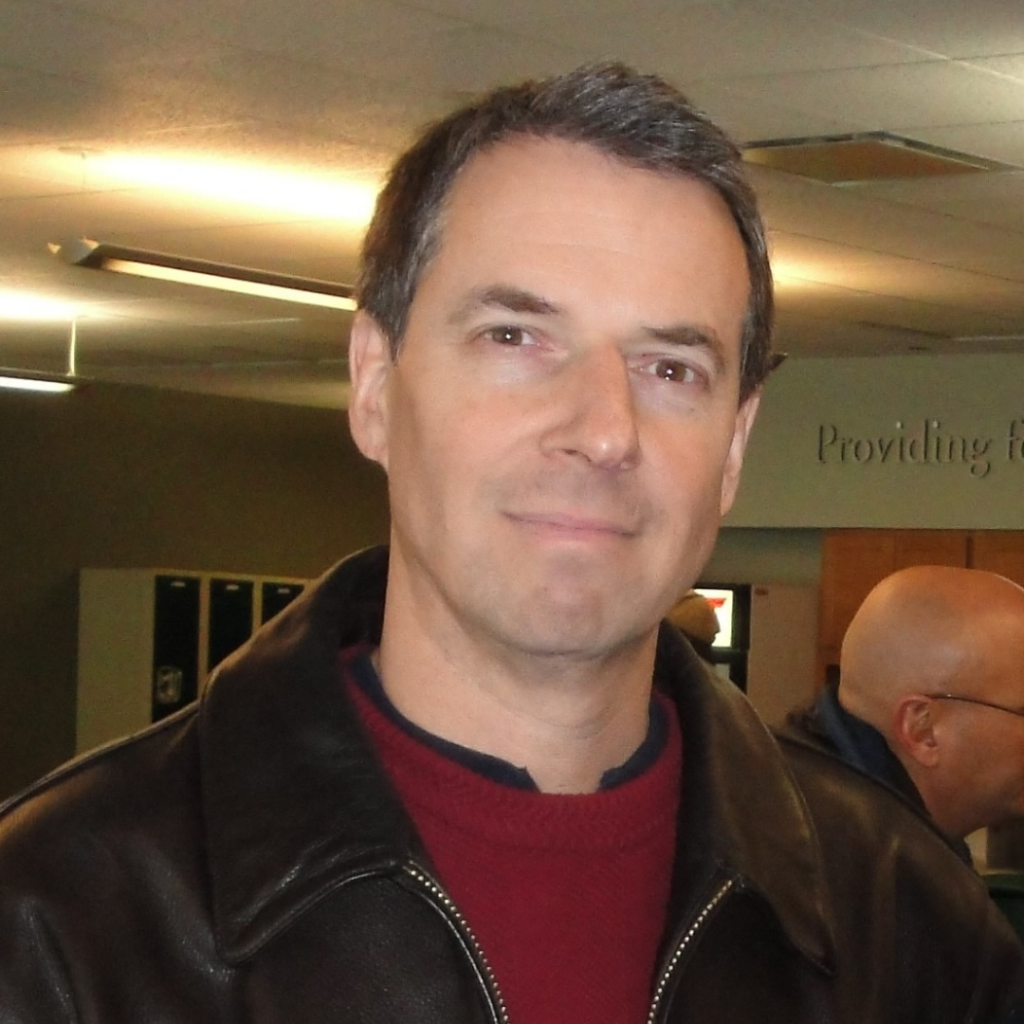
That changed in 2010, when her father was diagnosed with Stage 4 pancreatic cancer after becoming short of breath during a college tour. The diagnosis came quickly, and he passed away within months.
Danielle was in high school at the time, still trying to understand what it meant for life to continue while something so central to it was gone. In the years that followed, grief became something she carried quietly, but consistently: less a single moment and more a constant presence that reshaped how she moved through the world.
Running, during those years, existed more as something around her. Her family participated in endurance events, from marathons and Ironman races to local road races. That environment made long-distance running feel familiar, even before it became personal for her.
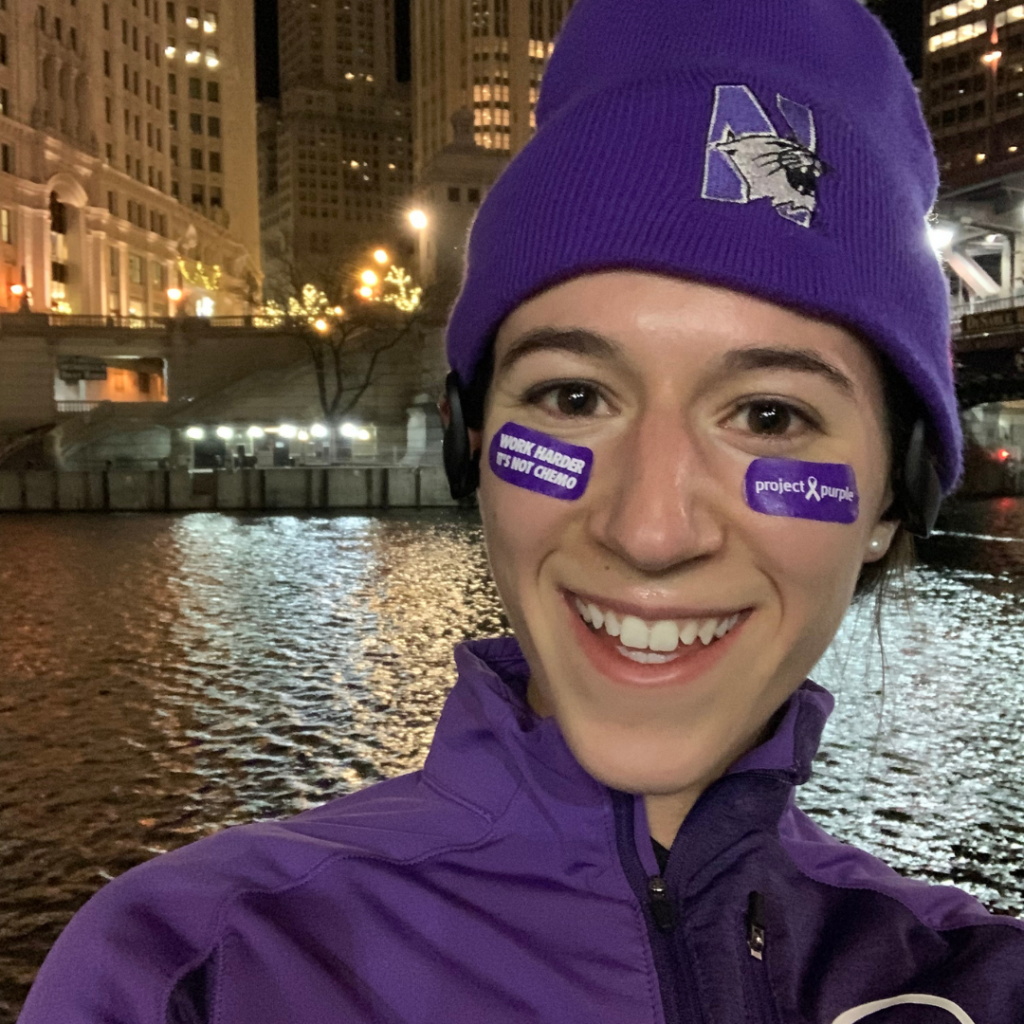
It wasn’t until her college years at Northwestern University that running became a regular part of her own life. It was simple and accessible: an easy form of exercise in a new stage of life. “Instead of going to a more expensive yoga class or something, I chose to run,” she remembers. It became a grounding habit, something that helped her move through change.
She gradually built distance from there, starting with a 10K, then progressing to a half-marathon. Running was still primarily tied to routine, fitness, and clarity rather than meaning.
A Father, A First Race, A Finish Line
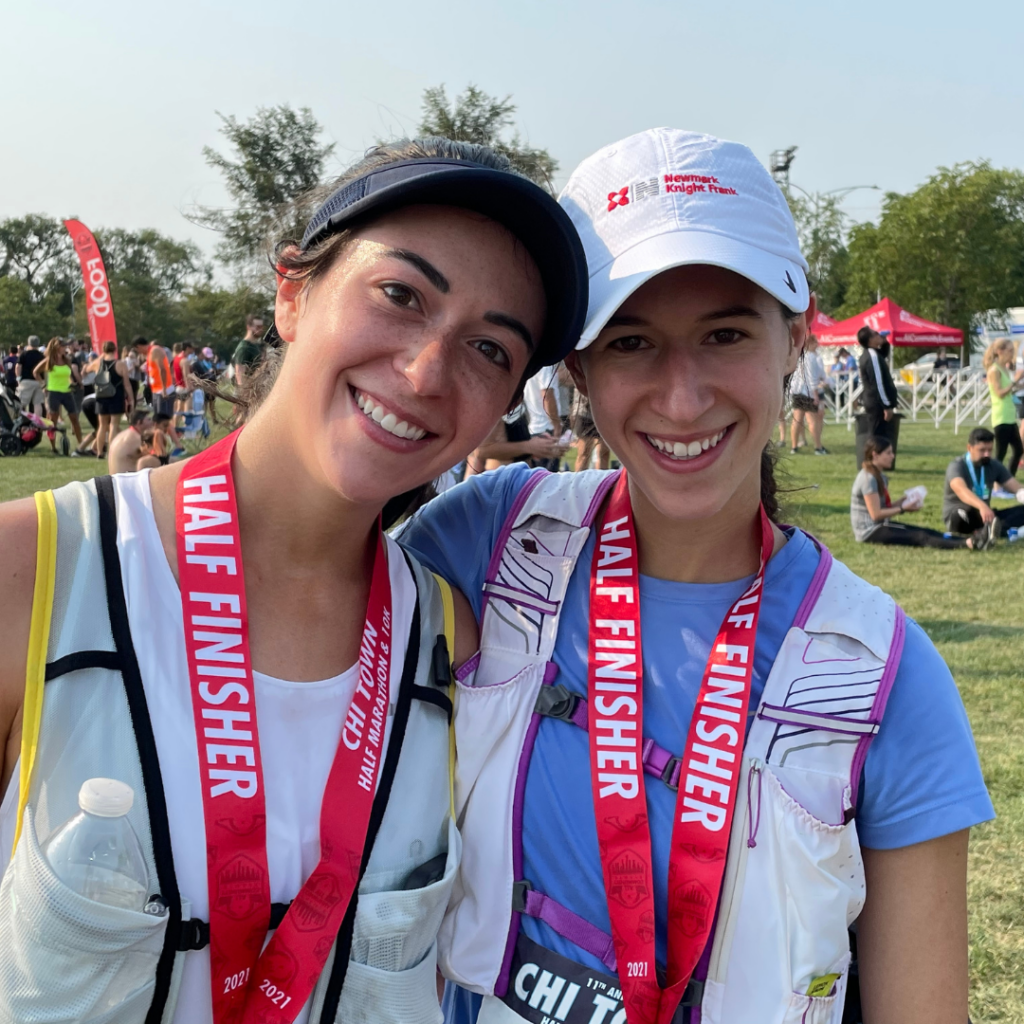
In 2019, Danielle and her sister, Ali, decided to run the Chicago Marathon together. Living in Chicago, it felt like the obvious choice for their first full marathon. After not getting in through the lottery, Danielle came across Project Purple while looking at charity options and immediately felt a connection to the organization’s mission.
She remembers thinking to herself, “This is perfect!” It was the first time she formally linked her running to her father’s memory.
The timing made the decision even more meaningful. The race aligned with the 10-year anniversary of her father’s passing, and it felt like the right moment to do something in his honor.
But the year did not unfold as planned. When the COVID-19 pandemic disrupted the 2020 Chicago Marathon, Danielle chose to run the full distance on her own in Chicago. Project Purple helped make the experience feel official in its own way, providing a bib and medal to mark the occasion. Her family created a small finish line, holding tape for her as she completed the run through her own mapped-out route in the city.
Even without an official race day, the intention remained the same: doing it in honor of her father and what would have been his 60th birthday. “It felt especially meaningful, and that’s why I wanted to stick with it for 2020, even though there wasn’t an official race,” she says.
She officially ran the Chicago Marathon with Project Purple in 2021 and later completed the New York City Half Marathon with the organization in 2022. Over time, Project Purple became her consistent charity partner, giving her a way to combine running with advocacy for pancreatic cancer awareness and research.
The connection between her father and her running goes beyond the cause itself. He was active, supportive, and deeply encouraging when it came to sports: coaching her soccer teams and personally loving swimming and baseball.
But more specifically, the first race Danielle ever remembers running was with her dad in middle school: the Lincolnshire Fourth of July 5K. Training together and running her first race with him, and now continuing that same path by running in his honor, has made the experience especially meaningful.
Living With Intention
When Danielle reflects on her father, she thinks about the way he approached everyday life. He documented family moments through photos and home videos, often small things that later became meaningful memories.
He was often the one asking the questions rather than appearing in the frame. Danielle recalls moments like sitting in the airport after a family trip, when he would turn the camera toward them and ask, ‘What was your favorite thing we did?’ That instinct to preserve moments is something she has come to appreciate even more over time. “The foresight of that,” she said, “is that those are such great things that we have now.”
He also planned carefully. “The 5 P’s, as he would say…Proper preparation prevents poor performance.” Trips came with handwritten itineraries, carefully planned lists, and structured agendas. Even after the days ended, he would often write down highlights of what happened, sometimes including something as simple as what everyone ate.
It was, in many ways, the accumulation of small things that defined him, not just the big moments, but the attention he gave to everything in between. And in many ways, that same mindset continues to shape how Danielle approaches her own running journey and daily life. She is intentional about everything, a perspective that, like her dad’s, shows up in her running every day.
When Danielle runs, she describes it as both present and reflective. “There are times when I am listening to music, but I’m not really focused on that. My mind is just able to organize thoughts,” she says. Now, with a two-year-old, those runs have also become something more personal and cherished. “It’s kind of a me time or time away from the chaos.”
That perspective helped shape her decision to return to the Chicago Marathon in 2025. It marked 15 years since her father’s passing: a milestone that felt heavy in its significance. “It felt big,” she shares, “and another big milestone meant another big motivator to do hard things.”
But it was also symbolic in a quieter, more personal way. Choosing to return to the marathon distance felt aligned with the way her father approached life: with consistency, intention, and a focus on showing up even when things were difficult. Danielle often thinks back to when her dad was fighting cancer, and how he encouraged everyone around him to keep going. “He was very much emphasizing that life goes on,” she said. “And so we all still went to school and did our activities. He still worked and said that it was our new normal.”
Rebuilding the Runner Within
This time, Danielle’s marathon also came after major life changes: becoming a mother and recovering from knee surgery. Both shifted how she saw herself as a runner, physically and mentally, as she worked through new limitations and a new sense of identity. “For me, it was about reclaiming things that I loved before—my own individual interests versus just being ‘a mom,’ Danielle reflects. “Taking time out for myself was the reason behind it as well.”
Her training was shaped by what was practical. With limited time, she often only managed one midweek run alongside a long run on the weekends. “It was hard not to compare myself to what a ‘perfect’ training plan looks like, but I had to shift into thinking, ‘This is the best I can do right now.’” Still, she never missed her long runs, often fitting them in around travel or family commitments.
When race day arrived, she approached it with less pressure and more appreciation. Danielle had moved out of Chicago, so returning to the city added another layer to the experience. At the same time, the values she associated with her father – commitment, follow-through, and gratitude – remained central. “He was very much about holding your commitments,” she said. “If you said you were going to show up for a friend, you showed up. So by extension, if you commit to a race, you do it.”
She also carried his sense of gratitude with her. “He always made sure to acknowledge everyone, to thank people, even at family events, before leaving,” Danielle said. On race day, she chose to take in the experience rather than focus on performance. “I wasn’t feeling pressure to do anything,” she said. “I just thought to myself, ‘I’m here, I’m going to enjoy it.’”
Community, Fundraising, and Purpose
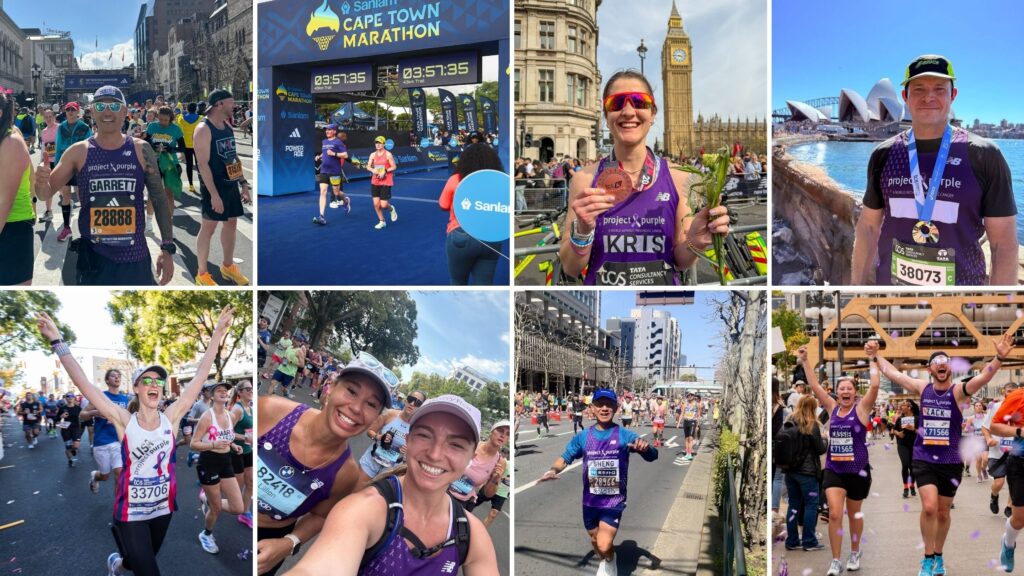
One of the most meaningful parts of running with Project Purple has been the sense of connection it creates. Fundraising gave Danielle another reason to stay committed, not only for herself, but for the people who supported her. “They took a lot of pride in me,” she said, describing the way friends and family rallied behind the effort. Asking people to donate also added a sense of accountability and shared purpose.
That sense of collective support extended beyond her own circle, as race weekends and training cycles introduced her to a wider network of runners united by the same cause. “You see the [Project Purple] bibs during race day, and you’re reminded that it’s a huge community,” Danielle says. Within that community, the reach of pancreatic cancer is immediately felt. “People will see Project Purple and tell me that they knew someone who had pancreatic cancer. You’re reminded how many people are affected by it,” she reflects.
Danielle also thinks about how pancreatic cancer outcomes have changed since her father was diagnosed in 2010, and how much progress is still needed. She hopes that continued research and awareness will lead to earlier detection and more treatment options in the future.
A Living Legacy
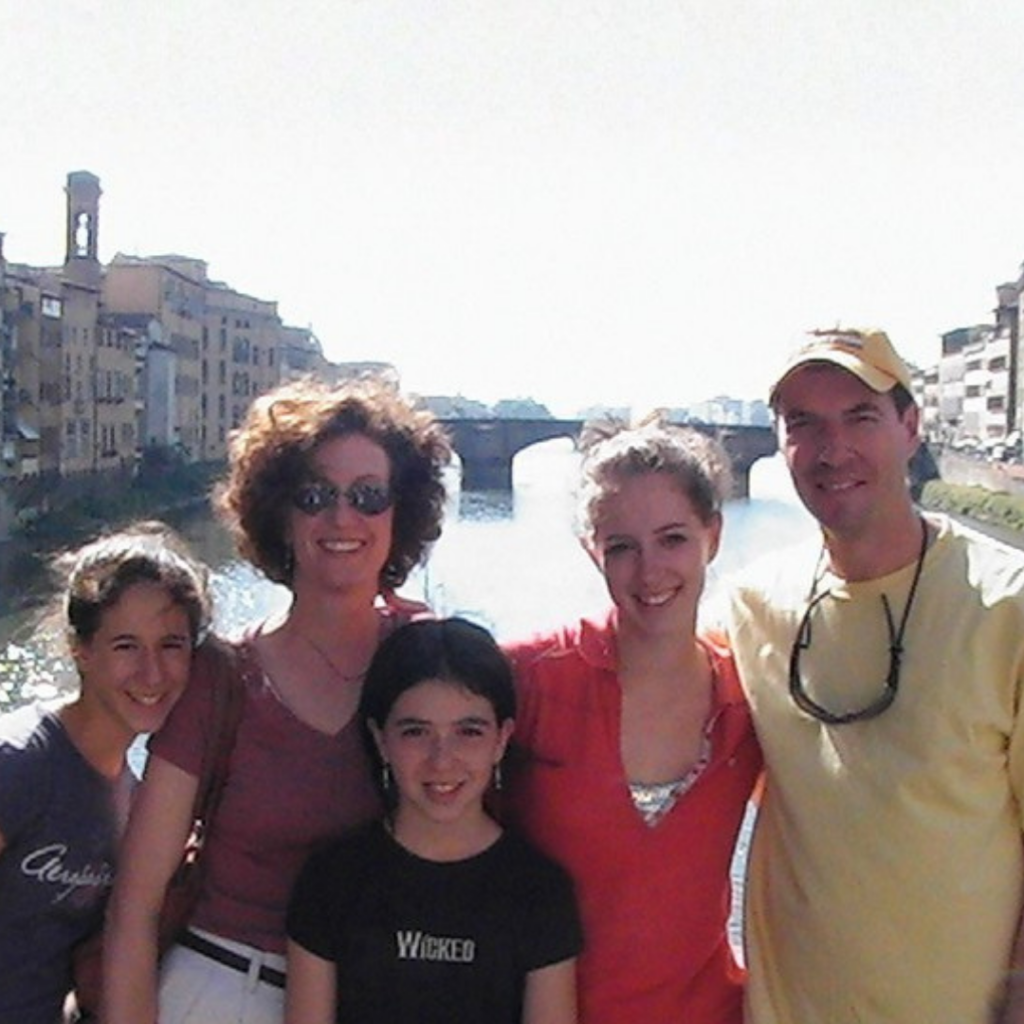
Over time, Danielle’s understanding of grief has evolved. “There are a lot of different ways to honor people,” she said. “Think of something that reminds you of them, and do more of that. It’s so important to keep their legacy alive. When you’re dealing with grief, talking through memories helps. If something reminds you of them, say it out loud. Don’t shy away from those moments just because they’re gone.”
She has also become more aware of how time changes the experience of loss. “I was 17 when my dad died,” she shares. “You eventually reach this point where there’s been more time with him gone than when we lived with him.” That reality has made legacy feel less like memory alone and more like something that has to be carried forward intentionally.
Today, that happens in several ways. Danielle shares stories and home videos with her husband, Michael, who never met her father but has come to know him through those memories. Danielle and her husband gave their daughter the middle name James, after her father, creating another connection across generations.
Looking ahead, Danielle hopes that running might someday become part of that legacy too. She has imagined what it would be like to run with her daughter when she is older. In time, that may mean sharing the grandfather she never met not only through stories and names, but through experiences they create together, one run at a time.
If you’d like to run or participate in an event of your own for Project Purple, visit our events page.